Table of Contents
ToggleA sectional sleeper sofa with storage isn’t just furniture, it’s a space-solving powerhouse for homeowners juggling small square footage, frequent guests, and clutter. Whether you’re furnishing an open-concept loft, a guest bedroom that doubles as a home office, or a family room that needs to work harder, these hybrid pieces deliver seating, a guest bed, and hidden storage in one footprint. This guide walks you through what to look for, how to measure your space properly, and how to keep your investment looking sharp for years.
Key Takeaways
- A sectional sleeper sofa with storage combines seating, a convertible bed, and hidden compartments to maximize functionality in small spaces and multi-purpose rooms.
- Lift-top ottomans and under-seat drawers are the most practical storage options, with standard queen-size ottomans providing roughly 12 cubic feet of usable space.
- Mattress quality significantly impacts guest comfort and longevity—budget an extra $300–$600 for a 4–5 inch innerspring or hybrid mattress if frequent overnight guests are expected.
- Always measure your space and delivery route before ordering; sectional sleeper sofas with storage typically require 8 feet of clear floor length when the bed is extended.
- Proper maintenance—including weekly vacuuming, quarterly mattress rotation, and monthly hinge care—extends the lifespan of your investment to a decade or more.
- Prices range from $800 to $2,500 depending on size, mattress quality, and fabric choice; prioritize quality frame construction with kiln-dried hardwood and 8-way hand-tied springs.
What Are Sectional Sleeper Sofas With Storage?
A sectional sleeper sofa with storage combines three functions: a comfortable sectional for everyday sitting, a pull-out or fold-out bed mechanism (sometimes called a sleeper mattress or convertible surface), and built-in storage compartments. Unlike a basic sectional, these pieces are engineered to handle multiple roles without sacrificing quality in any one area.
The sleeping surface typically consists of a queen-size or full-size mattress (sometimes a twin), housed in a frame that folds, pulls, or extends. Storage can be accessed via a hinged ottoman, under-seat drawers, or concealed compartments tucked into the arm or back. Most modern designs use high-density foam or innerspring mattresses for the sleep surface rather than thin futons, so guests actually rest comfortably instead of on a pancake.
These pieces work especially well in studio apartments, guest rooms that need flexibility, or family rooms where kids’ sleepovers are routine. They also appeal to downsizers who need maximum functionality in smaller footprints.
Key Features That Make Them Worth The Investment
Built-In Storage Compartments
Storage is where sectional sleeper sofas earn their keep. Most designs include one or more of these options:
- Lift-top ottomans: The most common setup. The ottoman’s cushioned top lifts on hinges to reveal a hollow cavity, perfect for throw blankets, pillows, board games, or seasonal decor. These typically hold 25–50 pounds safely.
- Under-seat drawers: Some sectionals hide pull-out drawers beneath the seating surface. These work well for linens or lightweight items but require clear floor space to open fully.
- Arm-mounted compartments: Sleeker designs tuck small storage into the arms themselves, useful for remotes, books, or phone chargers but limited in capacity.
When evaluating storage capacity, measure the ottoman or compartment depth, width, and height in inches. A standard queen-size ottoman might measure 32″ wide × 24″ deep × 18″ high, giving you roughly 12 cubic feet of usable space (accounting for padding thickness). Remember that storage compartments don’t breathe well, keep humidity in mind if you’re storing fabrics in damp basements or humid climates.
Convertible Sleeping Surfaces
The bed mechanism makes or breaks the user experience. Here are the main types:
- Pull-out sleeper: A mattress housed in a frame that extends outward from the sofa, creating a bed in front of the seating area. Requires clear floor space of at least 3 feet in front of the sectional.
- Fold-down mechanism: Some models feature a hinged bed surface that folds down from the backrest or chaise, leaving the seat cushions in place. These work in tighter spaces but may feel less spacious to a sleeper.
- Futon-style: Less common now but still available, the entire backrest and seat cushions fold flat to create a bed. Durable but less comfortable than a dedicated mattress.
Mattress quality varies widely. A high-density foam mattress (3–4 inches thick) is industry standard and suitable for occasional use. For frequent overnight guests, a 4–5 inch innerspring or hybrid mattress provides better support and longevity. Budget an extra $300–$600 for an upgrade mattress if the stock option feels thin. Most sleeper mechanisms are rated for up to 500–700 pounds distributed weight, but check the manufacturer specs if weight capacity matters.
Choosing The Right Size And Layout For Your Space
Size matters enormously. A sectional sleeper that’s too large will dominate a room and block traffic: too small and it won’t deliver the storage or seating you need.
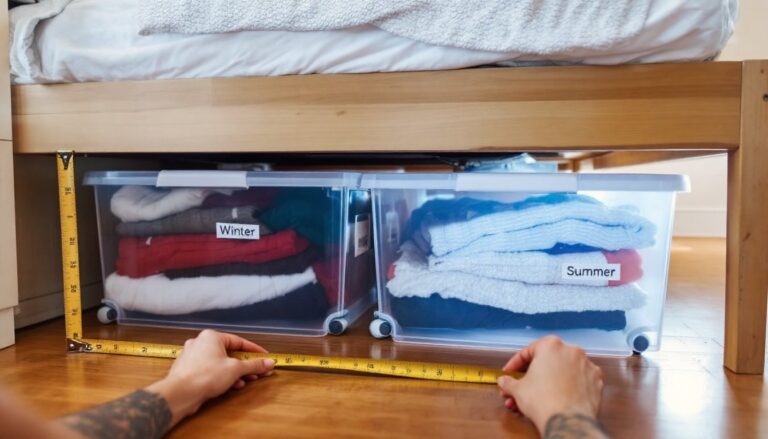
Start with measurements. Sketch your room to scale (use graph paper or a free app), then mark doorways, windows, radiators, and electrical outlets. Walk through this with your furniture delivery route in mind, can a 9-foot sectional actually fit through your front door, hallway, and into the room? Many sleeper sectionals arrive modular or in two pieces, but confirm this with the seller before ordering.
Standard sectional widths range from 8 to 12 feet, with depths (front to back) of 36 to 42 inches when the bed is closed. A queen-size pull-out bed will extend the depth to 60–72 inches when open, so ensure you have at least 8 feet of clear floor length when the bed is deployed. In smaller spaces, a chaise-style sleeper (one arm shorter, the other longer, with storage in the chaise) can be more flexible than a full wraparound.
Layout options include L-shaped (wraps a corner), U-shaped (three sides, more seating but bulkier), and linear (long single sofa with storage ottoman beside it). An L-shaped layout typically anchors a corner and works well in most rooms: a U-shape demands a larger footprint but maximizes seating for families. Consider how you’ll actually use it, if guests sleep over once a month, prioritize comfort: if it’s weekly, invest in a better mattress and ensure the pull-out mechanism is smooth.
Fabric and frame matter too. A kiln-dried hardwood frame with 8-way hand-tied springs or no-sag webbing will outlast budget options. Fabric should suit your lifestyle: microfiber resists stains, linen looks elegant but shows wear, and leather is easy to clean but pricey. Sectional sleeper sofas with storage typically range from $800 to $2,500 depending on size, mattress quality, and brand. A high-quality Haris gray fabric sleeper sectional with storage ottoman represents mid-to-premium quality if you want a verified example.
Maintenance And Care Tips
Sectional sleeper sofas with storage last longer when treated with care. Here’s what matters:
Fabric care: Vacuum your sectional weekly with an upholstery attachment to remove crumbs and dust before they grind into fibers. For spills, blot immediately with a white cloth, don’t rub. Use a mild soap solution (one teaspoon of dish soap in one cup of warm water) on a damp cloth, or invest in an upholstery cleaner. Check the manufacturer’s tag for cleaning code (W for water-based, S for solvent, X for vacuuming only, or WS for either water or solvent).
Mattress rotation: Rotate your sleeper mattress 180 degrees every 3–6 months to even out wear. If the mattress is removable, flip it quarterly. A mattress protector ($30–$60) underneath extends life and guards against spills.
Storage compartments: Wipe hinges and tracks monthly with a damp cloth to prevent rust. Don’t overload compartments beyond their rated weight, a hinged ottoman rated for 50 pounds shouldn’t hold 100 pounds of books. Leave an inch of air space in storage to allow fabric to breathe and prevent musty odors.
Frame and mechanism: Check that the pull-out frame or fold mechanism moves smoothly without grinding sounds. Tighten any loose bolts or screws annually. If the bed feels saggy, it’s usually a worn-out mattress, not the frame, replacing the mattress is far cheaper than replacing the whole sofa.
Seasonal adjustments: In winter, keep the sofa away from heating vents (they dry upholstery). In summer, avoid prolonged direct sunlight, which fades fabrics. Leaning against the back repeatedly over years can compress padding: use throw pillows to distribute weight.
Interior design platforms like HGTV and Apartment Therapy often feature real-world examples of sectional styling and space planning in smaller homes, which can help you visualize how to integrate your new piece into your existing décor.
Conclusion
A sectional sleeper sofa with storage works hardest in spaces where function trumps luxury. Measure twice, understand your mattress options, and don’t underestimate the value of quality upholstery and frame construction. With proper care, a well-chosen piece will serve guests and daily living for a decade or more. Start by clarifying your priorities, are you optimizing for guest comfort, storage capacity, or modern aesthetics?, then use that lens to compare options in your budget.