Table of Contents
ToggleSmall bathrooms don’t have to feel claustrophobic or cluttered. With the right storage strategies, even the tightest bathroom can become functional and organized. Whether you’re working with a 40-square-foot powder room or a compact master bath, practical bathroom storage solutions exist that don’t require renovation permits or major structural changes. The key is thinking vertically, using underutilized spaces, and choosing furniture that earns its footprint by doing double duty. This guide walks through seven proven strategies to maximize your bathroom storage and reclaim precious square footage.
Key Takeaways
- Maximize bathroom storage for small spaces by measuring your available room, locating wall studs, and planning around plumbing before installing shelves or cabinets.
- Utilize vertical wall space with wall-mounted shelves, recessed cabinets, and over-the-toilet storage units to make rooms feel larger while dramatically increasing storage capacity.
- Organize under-sink areas with stackable containers and U-shaped organizers, but always protect items with waterproof liners and keep dangerous products in locked cabinets away from children.
- Choose multi-functional bathroom furniture like vanities with drawers, narrow tower cabinets, and mirror medicine cabinets that maximize storage without consuming additional floor space.
- Declutter strategically by removing expired items, combining half-full bottles, and implementing a rotation system that keeps daily essentials at eye level and backstock on higher shelves.
- Small bathroom storage becomes truly effective when organization systems match your daily routine—grouping like items, labeling containers, and keeping only what you actually use.
Understand Your Available Space
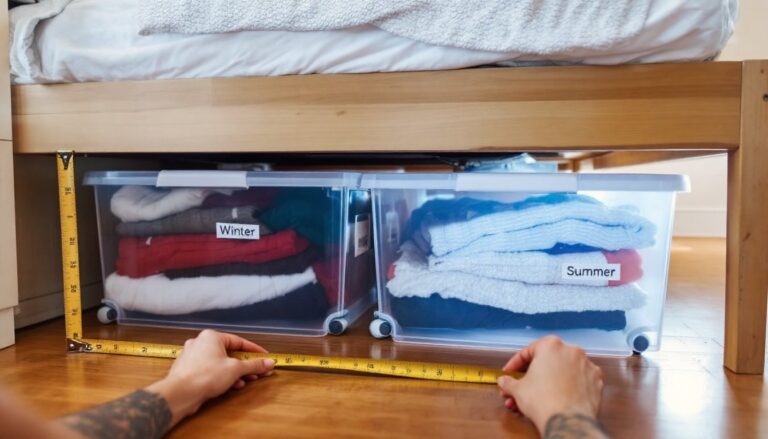
Before buying a single shelf or cabinet, measure your bathroom methodically. Pull out a tape measure and note the dimensions of each wall, including height from floor to ceiling and any obstructions like windows, electrical outlets, or towel bars. Pay special attention to wall space above the toilet, beside the vanity, and corners that often go unused.
Sketch a rough floor plan or take photos from different angles. Note which walls are load-bearing (exterior walls tend to be: interior walls may not be). If you’re planning to mount heavy shelving or cabinets, you’ll need to anchor into studs, which are typically 16 inches on-center. Use a stud finder to locate them before drilling.
Also check what’s behind your walls. Older homes often have plumbing or electrical lines that aren’t where you’d expect. If you’re unsure about any wall, consult a plumber or electrician, it’s worth the peace of mind. Knowing your space prevents costly mistakes and ensures whatever you install is both safe and truly functional for your daily routine.
Vertical Storage Solutions
Wall-Mounted Shelving and Cabinets
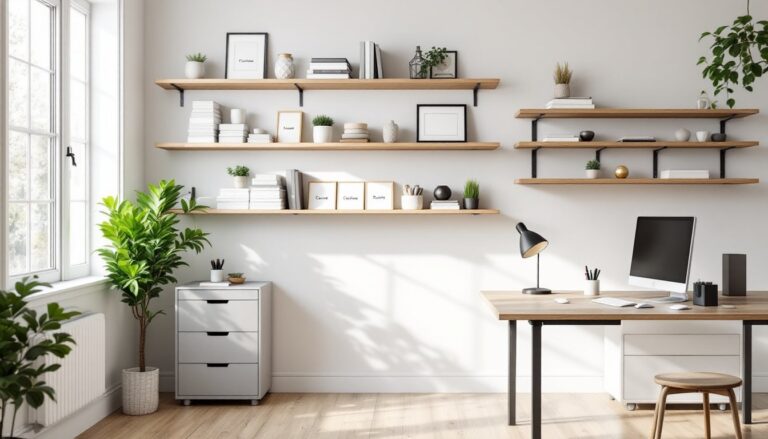
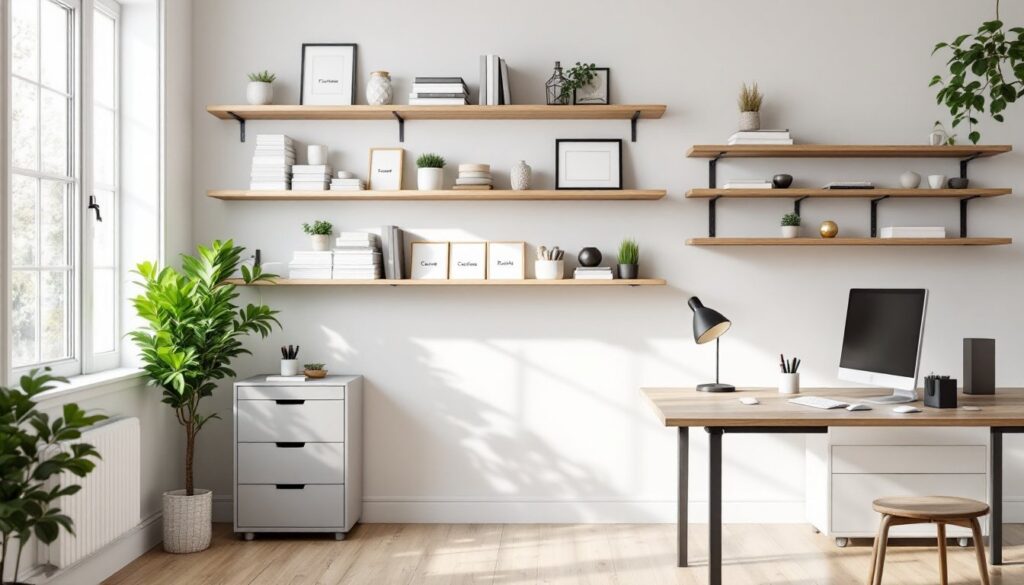
Vertical space is your secret weapon in a small bathroom. Wall-mounted shelves and cabinets pull storage off the floor and draw the eye upward, making the room feel larger while providing real capacity.
Wall-mounted cabinets come in several styles: recessed (mounted into the wall cavity between studs), surface-mounted (sitting in front of the wall), and corner units that claim dead space. For a small bathroom, surface-mounted cabinets are easiest to install and don’t require opening the wall. Recessed cabinets save a few inches of depth but require carpentry and may only fit between studs spaced 16 inches apart, limiting your width options.
When selecting shelves, confirm weight capacity before loading them. Solid wood or metal shelves mounted to studs with appropriate brackets can hold 25–50 pounds per shelf depending on span and fastening. Open shelving displays items but requires neat arrangement: closed-cabinet doors hide clutter and protect contents from moisture and dust.
Consider the height: mount shelves or cabinets at least 12–18 inches above the toilet tank to avoid awkward reaching. Upper walls (above eye level) work well for items used less frequently, extra towels, backup soap, seasonal medications. Shelf storage solutions can transform even a narrow wall into functional display and storage. Install a tension rod between two wall studs for a minimalist towel holder, or add a narrow floating shelf to display rolled towels and a small plant for visual warmth without bulk.
Hidden and Under-Sink Storage
Organizing Below the Basin
The space under your sink is prime real estate that’s often wasted. Most vanities sit on an open frame with plumbing running through: this zone can hold supplies if you work around pipes and keep items off the floor (moisture accumulates here).
Start by removing everything under the sink and wiping down the interior. Inspect the underside of the vanity cabinet and pipes for leaks. If there’s standing water or soft wood, address the leak before storing anything below. Install a drip mat or waterproof shelf liner to protect your items and catch minor drips.
Use stackable storage containers or slim drawers to maximize vertical space. Pull-out organizers and sliding baskets make items at the back accessible without reaching. Label containers: “Cleaning Supplies,” “Extra Soaps,” “Medications” so everyone knows what goes where and can refill. Keep caustic or hazardous items (drain cleaner, bleach) in a locked cabinet or well away from children and pets, never store them on open shelves.
Configure around your P-trap (the curved pipe below the drain). There’s often wasted space in front of it: a U-shaped organizer or tiered shelf designed for under-sink areas fits snugly here and holds spray bottles, sponges, or extra towels. Don’t block access to shut-off valves. A simple pull-out caddy can slide out when you need the valve, then push back in for storage.
Multi-Functional Furniture and Fixtures
In a small bathroom, every piece should earn its footprint. Vanities with built-in storage are standard, but going further with multi-functional pieces multiplies capacity without expanding the footprint.
A vanity with drawers and a cabinet beats one with just a cabinet door. Drawer dividers keep cosmetics, hair tools, and medicines organized and easy to grab. Lazy Susans inside deep cabinets spin items forward so nothing gets lost in the back. Consider a vanity with a mirror cabinet (medicine cabinet with a mirror front), you’re storing toiletries and grooming tools in a piece you’d install anyway.
Skinny storage cabinets or tall, narrow towers (typically 8–12 inches wide and 60+ inches tall) fit into corners or beside the toilet. They provide surprising capacity in minimal floor space. Some models have adjustable shelves, drawers, and even a hamper compartment, turning one fixture into a multi-zone organizer.
Over-the-toilet storage units are classic for good reason. They mount to the wall studs and straddle the tank, offering shelves or a cabinet without eating floor space. Install one securely (check weight limits: most hold 30–60 pounds) and ensure the height leaves enough clearance if you have a tall tank.
A bathroom ladder shelf leans against the wall and holds rolled towels, baskets, or décor items while looking visually light. These don’t require any installation and work well in corners. Finally, wall hooks and magnetic strips aren’t furniture, but they’re multi-functional fixtures: hooks hold towels, cords, and bags: magnetic strips store metal grooming tools. Design sites like Apartment Therapy showcase clever fixture stacking for inspiration on arranging multiple pieces cohesively.
Declutter and Organize Strategically
Storage solutions only work if you’re storing things worth keeping. Spend an afternoon auditing what lives in your bathroom. Pull everything out: expired medications, dried-up bottles, makeup you haven’t touched in months, and extra products you’ll never use.
Check expiration dates. Medications, sunscreen, and certain cosmetics degrade over time: tossing them isn’t wasteful, it’s safe. Combine containers: if you have three half-full soap bottles, decant them into one and recycle the rest. Transfer items into matching containers or clear bins so you can see what you have and use things before they’re forgotten at the back of a shelf.
Carry out a rotation system. Keep daily-use items (toothbrush, face wash, deodorant) at eye level and arm’s reach. Store weekly items (hair masks, nail care) one shelf down. Reserve high shelves for backstock and seasonal items (extra shampoo, sunscreen for summer). This system means you’re not excavating to brush your teeth and items get used before expiring.
Use drawer dividers, small bins, and baskets to group like items. Cosmetics in one section, hair care in another, cleaning supplies in a third. Label everything so household members can find what they need and return items to the right spot. Space-saving storage hacks reveal that organization is as important as the structure itself, a well-stocked cabinet with poor layout is worse than a smaller, logically arranged one.
Consider what truly belongs in the bathroom. Skincare products? Absolutely. Medications? Yes, in a cabinet (away from moisture). That extra towel from 2015? Donate it. The fewer items competing for space, the less storage you actually need, and the more functional and pleasant your bathroom becomes.