Table of Contents
ToggleCanvas storage bins have become a staple in modern homes, and for good reason. They’re affordable, versatile, and durable enough to handle years of use across nearly every room in the house. Unlike plastic bins that crack or warp, or flimsy cardboard boxes that collapse under weight, canvas storage bins offer a middle ground: structure, breathability, and style. Whether you’re organizing a bedroom closet, a craft room, a garage, or a nursery, these fabric containers keep items visible and accessible without taking up floor space. This guide walks through what makes canvas bins so practical, how to pick the right ones for your needs, and where to deploy them for maximum efficiency.
Key Takeaways
- Canvas storage bins offer a durable, breathable, and affordable middle ground between plastic bins and cardboard boxes, with quality options ranging from $15–50 per bin depending on size and brand.
- Proper sizing is critical—measure your shelves and closets before buying, as small bins (10×10×10 inches) work for office supplies, medium bins (13×13×13 inches) suit seasonal clothing, and large bins (16×16×16 inches) handle bulky items like blankets and pillows.
- Canvas bins naturally resist moisture and odor buildup thanks to their breathability, making them ideal for damp basements, humid climates, and spaces storing seasonal clothing or books that need air circulation.
- Canvas storage bins work across every room—from bedroom closets and nurseries to home offices, craft rooms, and garages—while blending seamlessly into any décor with neutral tones like beige, gray, and charcoal.
- Label canvas bins with fabric markers or iron-on patches to improve accessibility, especially in shared storage spaces or households where multiple family members need to locate items quickly.
What Are Canvas Storage Bins and Why They’re Perfect for Modern Homes
Canvas storage bins are fabric containers, typically made from 100% cotton canvas or a cotton-blend material, sized to fit shelves, closets, or under beds. The appeal starts with their construction: canvas is tight enough to hold its shape without rigid walls, and breathable enough to let air circulate, which matters if you’re storing anything prone to moisture damage or odor buildup.
Unlike plastic bins that off-gas over time or plastic-lined fabric that sweat, pure canvas lets items breathe. This makes them ideal for storing seasonal clothing, blankets, or books in damp basements or humid climates. The fabric also resists tears better than you’d expect, daily use in busy households rarely damages a quality canvas bin.
Another reason they’ve gained traction is cost. A decent canvas bin runs $15–50 depending on size and brand, while matching sets can be found for $40–150. Compare that to custom built-in shelving (hundreds to thousands) or solid wood cabinetry, and the ROI is immediate.
They’re also lightweight, stackable, and collapsible. If you need to empty a closet or move them elsewhere, that flexibility matters. And because they come in neutral tones, beige, gray, charcoal, off-white, they integrate into almost any décor without clashing or screaming “storage solution.”
How to Choose the Right Canvas Storage Bins for Your Space
Size and Capacity Considerations
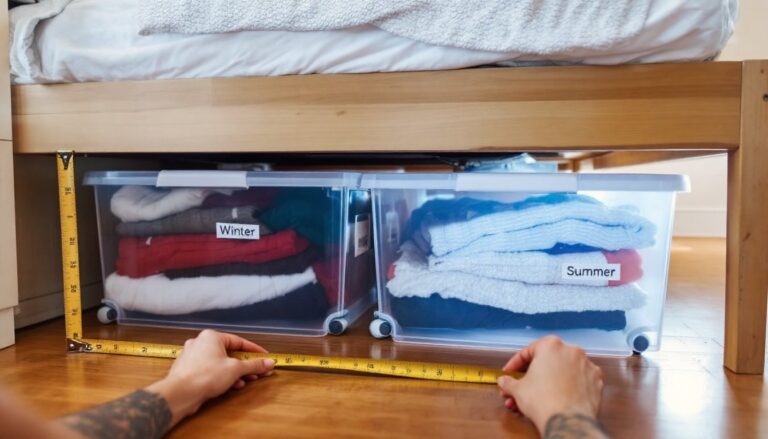
Canvas bins come in standard dimensions: small (10×10×10 inches, ~1 cubic foot), medium (13×13×13 inches, ~2–2.5 cubic feet), and large (16×16×16 inches, ~4+ cubic feet). Measure your shelf or closet before shopping. An undersized bin wastes shelf space: an oversized one won’t fit or will crowd your layout.
Capacity also matters for weight distribution. A large bin filled with winter coats or books can weigh 30–50 pounds. If you’re stacking bins or mounting them on shelves, check the weight rating and ensure the shelf can handle it. Wall-mounted shelves typically support 25–50 pounds per shelf depending on stud spacing and hardware used.
Think about what you’re storing too. Small bins work for office supplies, craft scraps, or kids’ toys. Medium bins suit seasonal clothing, bedding, or photo archives. Large bins are practical for bulky items like blankets, pillows, or garage overflow. Many organizers use a mix of sizes within the same space, it looks intentional and maximizes usable storage.
Color and Style Matching Your Décor
Canvas bins come in muted earth tones and neutrals because they’re meant to fade into the background. Beige, gray, charcoal, and off-white are the most common. Some brands offer pastels or deeper colors, but if your goal is a cohesive look, stick to one or two colors across a room.
While you can’t paint canvas bins (the fabric won’t hold paint well long-term), you can add fabric labels with a marker or iron-on patches to make contents obvious. This is especially helpful in shared storage spaces or if family members need to find things quickly.
If style matters in visible spaces, browse options on design-focused retailers or The Spruce, which covers home decor ideas and storage solutions. The bin’s exterior finish, matte canvas versus canvas with a subtle sheen, can also shift how formal or casual the look feels.
Best Uses for Canvas Storage Bins in Every Room
Bedrooms and Closets: Canvas bins are workhorse closet organizers. Stack them on shelves above hanging clothes, or use under-bed bins for off-season apparel. They keep dust out, let clothes breathe, and make packing away winter coats or summer dresses as easy as lifting a bin. In children’s bedrooms, they corral toys without looking institutional, a key advantage over plastic milk crates.
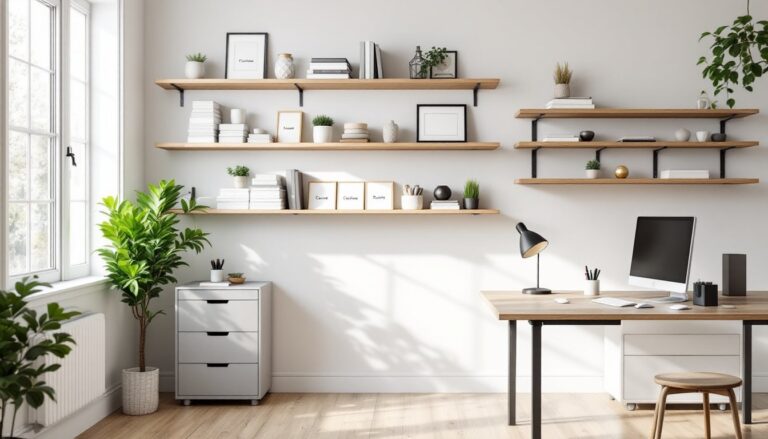
Home Offices: File papers, office supplies, cables, and printer ink in medium bins organized by category. Label them clearly, and they’ll reduce desk clutter without requiring dedicated filing cabinets. Many home offices benefit from stackable storage solutions that keep bins accessible on shelves.
Craft Rooms and Hobby Spaces: Fabric scraps, yarn, paint supplies, and pattern pieces stay organized in bins sorted by project type or material. The breathability of canvas is a win here, acrylic paints and dyes won’t off-gas as badly as they would in sealed plastic. Makers and crafters often invest in craft storage containers that match their aesthetic while keeping supplies easy to locate.
Nurseries and Kids’ Rooms: Canvas bins hold building blocks, stuffed animals, art supplies, and books without the visual chaos of toy boxes or plastic totes. Kids can reach lower bins independently, encouraging them to put items away. Choose bins that are sturdy enough to handle repeated opening and closing.
Basements and Garages: Seasonal décor, holiday lights, camping gear, and bulk items store safely in canvas bins on shelves. They resist moisture better than cardboard boxes, and you can stack them several high without worrying about the bottom layer collapsing. In damp basements, consider bins with slight ventilation holes or position them off the floor on shelving to avoid contact with potential water.
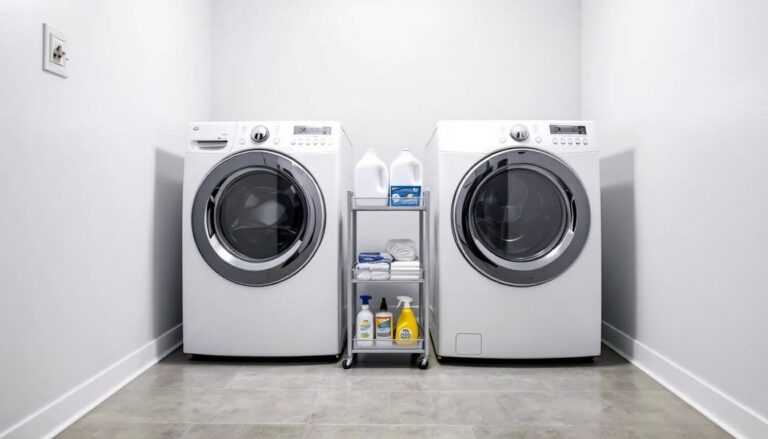
Laundry Rooms and Pantries: Sort clean laundry by family member or size before putting away. In pantries, bins contain bulk snacks, baking supplies, or overflow from cabinets. Because they’re fabric, they’re gentler on packaged goods than rigid plastic edges.
Browse the storage archives for more room-specific organization ideas. You can also explore alternatives like Target storage drawers if you want drawer-style organization instead of open bins, or check design inspiration on Apartment Therapy for small-space living solutions. For a curated selection of recommended bins, Martha Stewart’s guide to the best canvas bins reviews specific products and sizing strategies.
Conclusion
Canvas storage bins are a practical, affordable, and attractive solution for organizing clutter across every room in your home. By choosing the right sizes and colors to match your space and needs, you’ll build a storage system that’s easy to maintain and built to last. Start with one room, measure your shelves or closets, and invest in a few bins suited to what you’re storing. You’ll be surprised how much clearer a space becomes once everything has a home.