Table of Contents
ToggleA bedroom ottoman with storage checks two essential boxes: seating and hidden compartment for blankets, pillows, or seasonal gear. Unlike a regular ottoman, the storage version lets homeowners reclaim square footage without sacrificing comfort or style. Whether paired with a reading nook, foot of the bed, or corner workspace, a well-chosen storage ottoman transforms wasted space into functional furniture. This guide walks through selection criteria, popular styles, sizing tips, and how to maximize the storage potential, so your bedroom stays organized and clutter-free.
Key Takeaways
- A bedroom ottoman with storage combines seating and hidden compartment functionality, making it ideal for small spaces where dual-purpose furniture maximizes square footage.
- Upholstered ottomans with a rub count of 15,000+ offer the best durability, while leather and wood alternatives provide style options that suit different bedroom décors.
- Proper sizing and placement—typically 12-18 inches deep, 28-36 inches wide for queen beds, with 14-18 inches height—ensures the ottoman integrates seamlessly without blocking traffic flow.
- Organize stored items using labeled plastic bins or fabric dividers, and rotate seasonal bedding quarterly to prevent overcrowding and moisture damage.
- Regular maintenance, including vacuuming fabric, conditioning leather, and checking hinges annually, ensures your storage ottoman remains functional and attractive for years.
Why Bedroom Ottomans With Storage Matter
A storage ottoman serves as both seat and catchall, eliminating the need for a separate storage bench or dresser footstool. In compact bedrooms, this dual function is invaluable. The top provides comfortable seating for tying shoes, sorting laundry, or watching TV: the hollow interior holds quilts, extra pillows, seasonal blankets, or off-season clothing, all behind closed doors.
Beyond function, storage ottomans create visual breathing room. Instead of stacking items on shelves or piling blankets on chairs, everything goes into one consolidated piece. This reduces visual clutter and makes the room feel larger. A bedroom that feels calm and organized often leads to better sleep and less daily stress.
Optomans also adapt to different room layouts. A rectangular ottoman works at the foot of the bed: a square one fits a corner or beside a nightstand. When paired with the right style and color, it becomes a focal point that ties the room’s décor together rather than an afterthought.
Popular Styles and Materials for Storage Ottomans
Fabric and Upholstered Options
Upholstered storage ottomans dominate the market because they’re forgiving, warm to the touch, and pair easily with most bedroom décors. Linen blends offer durability and a natural texture: polyester microsuede provides stain resistance and softness. When selecting fabric, check the rub count, a higher count (15,000+) means better resistance to everyday wear and pilling.
DIYers can also build a simple wooden base with a hinged lid and upholster the frame using batting and fabric stapled underneath. DIY plans for upholstered ottomans with lift-off lids are widely available online and suitable for beginners with a basic miter saw and staple gun. The trade-off is time investment, but a custom ottoman lets homeowners choose exact dimensions and materials.
Leather and Wooden Alternatives
Leather and faux-leather ottomans age beautifully and clean easily, ideal for households with pets or kids. Real leather develops a patina: faux-leather avoids the maintenance and cost. Both work well in modern or contemporary bedrooms. Wood-frame ottomans with upholstered tops offer structural visibility that appeals to minimalist or mid-century décor styles.
Solid wood bases (oak, walnut, or pine) are stronger and longer-lasting than plywood cores, though they cost more. If choosing wood, verify that the joinery uses dowels or mortise-and-tenon joints rather than staples alone, this ensures the ottoman won’t wobble or collapse after years of use. Beginner woodworkers tackling furniture building projects should start with plans that specify joinery and include a materials list with actual lumber dimensions, not just nominal sizes (a 2×4 is actually 1.5 inches by 3.5 inches).
Choosing the Right Size and Placement
Measure the space where the ottoman will live before shopping. For a foot-of-bed ottoman, a 12 to 18 inches deep and 28 to 36 inches wide works for most queen-size beds: scale down for twins, up for kings. Height matters too, the top should sit 14 to 18 inches above the floor, roughly level with the bed frame or slightly lower so the cushion height aligns with the mattress.
Leave 12 to 18 inches of walking space around the ottoman so traffic flow isn’t blocked. In a smaller bedroom, a square ottoman (24 × 24 inches) tucked into a corner wastes less floor space than a rectangle. Consider ceiling height and doorways: a taller ottoman with legs may feel cramped in a low-ceilinged room, while a low-profile design works anywhere.
Place the ottoman where it serves daily life: at the foot of the bed for convenience, beside a desk or reading chair if it’s a secondary workspace, or under a window as a landing spot for folded clothes. Test the spot for a few days before committing to a purchase, foot traffic patterns and sunlight exposure matter more than initial intuition.
Maximizing Storage Function and Organization
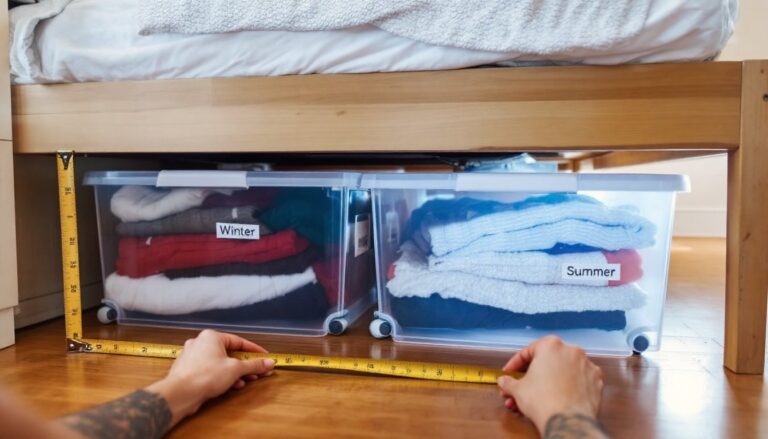
Once the ottoman is in place, organize what goes inside. Use clear plastic bins or fabric dividers to corral items and prevent the interior from becoming a jumbled mess. Label bins so anyone in the household knows what’s stored, winter bedding, guest linens, or spare pillows should be easy to locate.
Rotate seasonal items in and out quarterly. Winter quilts go in during autumn: lightweight throws rotate out in spring. This keeps the ottoman functional year-round without overcrowding. Avoid storing damp items: ensure blankets and pillows are completely dry before sealing them inside, or moisture and mildew will take hold.
For homeowners new to DIY furniture projects, beginner-friendly building guides provide step-by-step instructions that demystify the process. Many include detailed photos and material sourcing tips, reducing frustration.
Cleaning and maintenance depend on material. Fabric ottomans benefit from a quick vacuum every few weeks to prevent dust buildup in seams. Leather needs occasional conditioning. Wood bases should be dusted regularly and wiped with a dry cloth. If the ottoman gets heavy use, check hinges and seams annually, tighten loose bolts and reinforce any gaps with fabric glue if upholstery starts to fray.
Conclusion
A well-chosen bedroom ottoman with storage transforms clutter into concealed space while adding comfort and style. By matching size to room dimensions, selecting durable materials, and organizing contents thoughtfully, homeowners create a piece that serves for years. Whether purchased ready-made or built from scratch, the result is a bedroom that breathes easier, and a life with one less pile of blankets in sight.