Table of Contents
ToggleClutter doesn’t happen overnight, but it compounds fast. Papers pile up on desks, toys scatter across playrooms, and seasonal gear takes over closets. A well-chosen storage bin with drawers tackles the real problem: you need visibility and access without sacrificing floor space. Unlike sealed containers that hide everything behind a lid, drawers let you see what’s inside, grab what you need, and keep categories sorted. This guide walks you through selecting, placing, and organizing storage bins with drawers to reclaim usable space in your home.
Key Takeaways
- Storage bins with drawers provide immediate visual access to everyday items, eliminating the need to excavate through sealed containers and saving significant time during organization.
- Plastic storage bins work best for humid environments like basements and garages, while wooden bins suit bedrooms and offices; choosing the right material based on your space’s moisture and temperature needs ensures durability.
- Proper placement in high-traffic zones like bedrooms, home offices, and laundry rooms maximizes accessibility, while labeling and using dividers inside drawers prevents items from becoming disorganized again.
- Measuring your space first, assessing the weight of contents, and avoiding features you don’t need helps you select the right storage bins with drawers without overspending.
- Stacking bins vertically maximizes floor space—a 2-foot footprint can store what would require twice that with traditional shelving—making them ideal for rooms where space is premium.
Why Storage Bins With Drawers Are Essential for Home Organization
Storage bins with drawers solve a universal problem: random clutter mixed with things you actually need. A standard plastic tote works fine if you’re storing seasonal decorations once yearly, but for everyday items, craft supplies, office papers, kid’s clothing, drawers save you from excavating through layers to find one thing.
Drawers provide immediate visual access. You open a drawer and see everything at a glance rather than stacking bins in the closet where the bottom unit becomes a black hole. They also stack neatly, maximizing vertical space in rooms where floor area is premium. A set of stacked bins with drawers takes up roughly 2 feet of floor space but stores what would require twice that with traditional shelving.
Another practical advantage: drawers reduce the temptation to just toss things in. When organization requires effort, lifting a heavy lid, moving bins around, people skip it. With smooth-gliding drawers, tidying up becomes a two-second task. This small friction reduction drives real behavior change over time.
Types of Storage Bins With Drawers to Suit Your Needs
Not all storage bins with drawers are created equal. The material, size, and construction determine where and how well they’ll serve you. Understanding the main options helps you pick the right fit without overspending on features you don’t need or compromising on durability.
Plastic Storage Bins With Drawers
Plastic drawer storage is the workhorse of DIY organization. Lightweight, affordable, and moisture-resistant, plastic bins shine in basements, garages, and laundry rooms where humidity or temperature swings would warp wood. Look for models with reinforced corners and metal slides, cheap plastic slides jam within months, while metal runners glide smoothly for years.
Plastic shines for craft supplies, office supplies, and kids’ items. Toxicity and off-gassing are non-issues with food-grade or certified plastic: standard storage-grade plastic is fine for non-food items. Expect to pay $40–$80 per unit for a sturdy 3-drawer plastic organizer with smooth slides. Budget models at half that price work, but the drawers feel flimsy and stick after a few months of regular use.
One trade-off: plastic can yellow or crack under intense UV exposure. Keep plastic bins out of direct sunlight near windows, or they’ll become brittle within a couple of years.
Wooden Storage Bins With Drawers
Wooden storage bins look intentional on display. A solid wood or plywood unit blends into a bedroom, office, or living room in a way plastic never will. Drawers glide smoothly in quality wood units, and the aesthetic works whether you’re minimalist or traditional.
Wood requires more attention. Solid pine or plywood with a finish resists moisture better than unfinished wood, but bathroom or kitchen use still demands extra consideration. In dry environments, bedrooms, dens, offices, wood storage shines. Expect pricing $80–$300+ depending on wood type and joinery (dovetail joints cost more than pocket hole assembly, but both work fine for storage duty).
DIY builders can make wooden bins with drawers from 3/4-inch plywood and simple drawer slides from hardware stores (Blum or Hettich slides cost $10–$20 per pair but last decades). This route costs $50–$100 in materials and a weekend of work, but you’ll have exactly what you want, sized to fit your space.
Best Placement Ideas for Maximum Functionality
Where you put your storage bin matters as much as what you choose. A drawer organizer works best in high-traffic zones where you access it regularly, not in a forgotten corner of the basement.
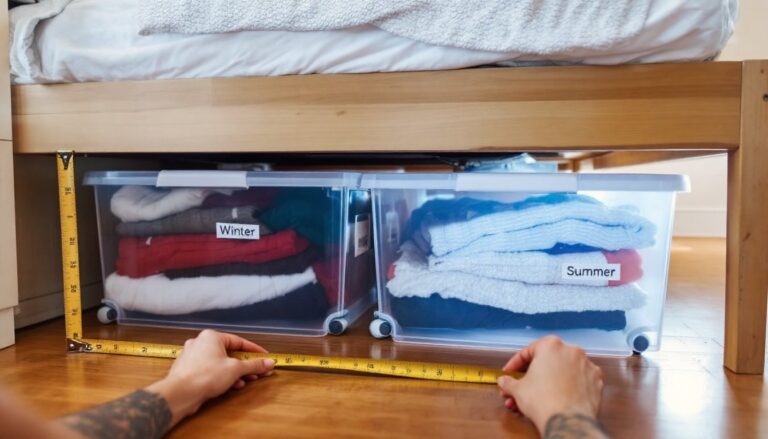
Bedrooms are ideal for clothing and seasonal rotation. A tall unit at the foot of the bed or along a wall stores off-season jackets, sweaters, and formal wear. Drawers mean you grab what you need without disrupting folded stacks.
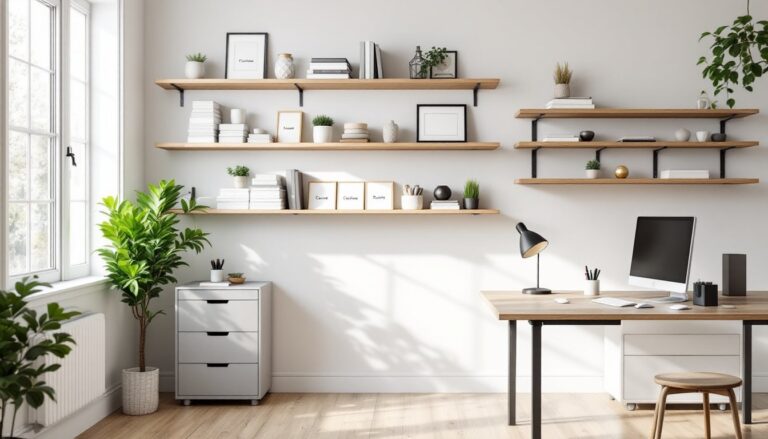
Home offices and craft rooms benefit hugely from accessible storage. Drawer units beside your desk or work table put supplies within arm’s reach. Clear or translucent drawers help you find pens, tape, and paper without opening each one.
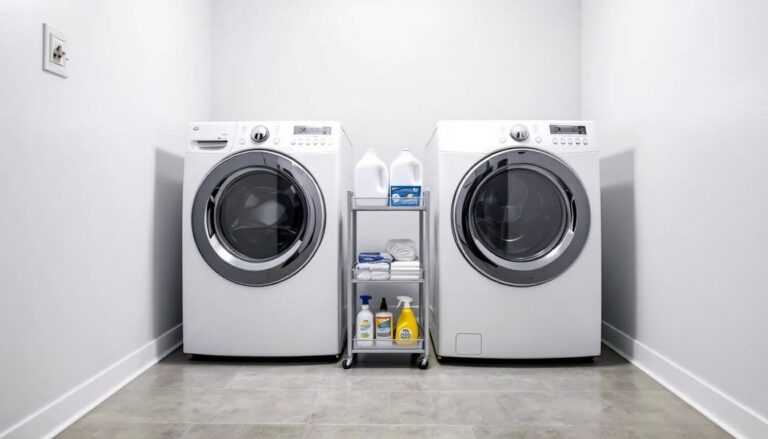
Laundry rooms and mudrooms use bins for utility, rolled socks, kids’ accessories, pet supplies. A low-profile unit (1–2 drawers) tucks under a window or beside a washer without blocking traffic.
Garage and workshop storage requires heavier-duty plastic or steel units. A 4-drawer organizer on wheels holds hardware, fasteners, and small tools at workbench height. You’ll reference it dozens of times during projects: accessibility pays dividends.
Avoid placing drawer storage in damp spaces like uninsulated basements or under leaky corners of the roof. Even plastic eventually absorbs moisture at the joints. Use bins in climate-controlled areas or position them on a low shelf above the floor to prevent water damage.
How to Choose the Right Storage Bin With Drawers for Your Space
Choosing storage is straightforward if you measure first and honestly assess what goes inside. Most DIYers fail at organization by buying bins first and hoping items fit, it’s backwards and leads to waste.
Measure your space. Width, depth, and height matter. A 3-drawer unit 18 inches wide, 15 inches deep, and 24 inches tall is compact and stackable. Measure the floor or wall where it’ll sit, then check doorways and hallways to ensure you can move it in. Many storage bins come in nominal sizes (advertised as 18x15x24) but have slightly smaller actual dimensions due to frame and slide thickness, check product specs.
Assess weight and contents. Heavy items (tools, books, winter gear) need sturdy construction and reinforced slides: light items (papers, textiles, seasonal decor) can use basic plastic bins. A loaded drawer pulls about 30–50 pounds: ensure your slides are rated for the weight. Real Simple’s 9 Best Storage Bins for Decluttering Every Room reviews top models across weight capacities.
Consider future access. Stacking bins is space-efficient but limits access to lower drawers. If you reach into storage several times weekly, stick to 2–3 drawer heights maximum. A single wide unit beats a stacked arrangement if you prioritize ease over footprint.
Match material to environment. Plastic in a garage, wood in a bedroom, steel in a workshop. Each environment has moisture, temperature, and durability needs. Good Housekeeping’s 10 Best Storage Bins 2024, Tested by Cleaning Experts tests units across conditions, so you see real-world performance.
Don’t overshop features. Transparent drawers look nice but cost more and show dust. A simple opaque drawer with a label works just as well for $15 less. Martha Stewart’s The 13 Best Storage Bins for Keeping Every Room Tidy highlights options from basic to premium: most DIYers find the mid-range ($50–$120 per unit) hits the value sweet spot.
DIY Tips for Organizing and Maximizing Your Storage Bins
A storage bin is only as useful as its contents are organized. Toss everything in and it becomes another clutter pile, just a vertical one.
Category ruthlessly. Before filling drawers, sort items into keep, donate, and discard piles. Organize by actual use, not sentiment. That instruction manual you’ll never need, the duplicated tool, the gift you didn’t ask for, they don’t earn drawer space. A 3-drawer unit holds about 0.5 cubic feet of space per drawer: be selective.
Label every drawer. Use a label maker, masking tape and a marker, or printed labels. “Sewing Supplies” tells you exactly what’s inside: “Misc” defeats the whole purpose. Labels prevent the “where did I put that?” hunt and keep household members accountable, kids actually return items to labeled drawers.
Use dividers and small containers. A drawer full of loose items devolves into chaos. Cheap plastic dividers or repurposed small boxes keep categories within a drawer separated. Socks, underwear, and belts each get their own zone: office drawers benefit from pen holders and paper sorters. You’ll spend $5–$10 on dividers and recover your investment in saved time.
Stack strategically. If stacking bins, heavier units go on the bottom. A metal-slided drawer organizer can handle weight: cheap plastic cracks under pressure. Ensure the bottom unit’s top surface is level and flat before stacking.
Make a quick reference. For deeper storage like workshop bins, take a photo of what’s inside and attach it to the front or keep a simple list nearby. This saves time when someone else needs a tool or supply.
Storage bins with drawers outperform sealed totes because drawers invite regular tidying and visibility. Put the time into organizing them once, and they’ll serve you for years. Check storage bins with drawers recommendations at hearthstone for more curated options across price points and styles.
Conclusion
Storage bins with drawers work because they solve the real problem: access without clutter. Whether you choose plastic, wood, or a hybrid, measuring your space, matching material to environment, and organizing ruthlessly ensures your investment pays off. Start with one unit in a high-traffic zone, dial in the system, then expand confidently. You’ll reclaim usable space and actually keep it organized, the holy grail of home storage.