Table of Contents
ToggleEvery parent knows the scene: toys scattered across the living room floor, stepping on a plastic block at midnight, and wondering where all the pieces went. Toy storage bins are the practical solution that transforms chaos into order, and keeps your sanity intact. Whether you’re dealing with action figures, building blocks, or stuffed animals, the right storage setup saves time, protects toys, and makes cleanup something kids might actually help with. This guide walks you through the best toy storage solutions available, how to pick the right bins for your space, and smart organization strategies that actually stick.
Key Takeaways
- Toy storage bins transform clutter into organized spaces while teaching children responsibility and protecting toy investments from damage and loss.
- Choose toy storage solutions based on your available space—measure before purchasing and consider stackable systems for vertical organization or modular units for flexibility in smaller homes.
- Label all toy storage bins with pictures or text and implement a zone-based organization method to reduce cleanup time and help kids understand where items belong.
- Select bins made from durable materials like polypropylene or UV-stabilized plastic, and ensure filled containers weigh no more than 10–15 pounds so children can handle them independently.
- Rotate toy collections every few months to maximize space, prevent overwhelm, and keep playtime fresh without purchasing additional storage.
- Organize toy storage with accessibility tiers: frequent favorites at eye level, seasonal items stored higher, and rarely-used pieces in attics or closets.
Why Proper Toy Storage Matters for Your Home
A well-organized toy storage system does more than hide clutter, it protects your investment in toys, makes cleaning up feel manageable for kids, and reclaims living space. Toys left scattered damage easily, get lost, or end up broken underfoot. Storage bins keep pieces together, extend toy life, and reduce the mental load of managing kid stuff.
Beyond the practical benefits, proper organization teaches children responsibility. When toys have a designated home, kids understand the concept of “a place for everything.” This translates into better habits as they grow. Also, consolidated toy storage opens up floor space, making rooms feel larger and safer, fewer tripping hazards means fewer accidents.
From a home resale perspective, homes that feel organized and clutter-free command better offers. Potential buyers imagine themselves living there without navigating obstacle courses of plastic toys. So investing in toy storage bins isn’t just about today’s peace of mind: it’s about the home’s functionality and value.
Types of Toy Storage Bins to Consider
Stackable and Modular Bin Systems
Stackable bins are the workhorse of toy storage. They maximize vertical space, crucial in smaller homes or apartments, and let you expand as toy collections grow. Look for bins with interlocking bases that prevent shifting when stacked, and reinforced corners for durability. Clear or translucent models let kids (and parents) see contents without opening every bin, saving time during cleanup hunts.
Modular systems like IKEA Trofast or similar platforms offer flexibility. You can adjust shelf heights, swap bin sizes, and reconfigure layouts as needs change. Stackable storage solutions work especially well in playrooms where floor-to-ceiling organization is an asset. The downside: modular systems require floor footprint and upfront assembly time.
Open-Top and Easy-Access Containers
Open-top bins reduce barriers to cleanup. A child can toss toys in without wrestling with lids, making “put it away” feel less like a chore. These work best for frequently used items, current favorites or seasonal toys. But, open bins collect dust and can look messy if overstuffed.
Toy storage bins with lids are the middle ground. They protect contents from dust and keep smaller pieces contained (essential if you have pets or younger siblings who might eat LEGO bricks). Lids with latches or handles make them easy to grab and move around. For long-term storage in attics or closets, lidded bins are non-negotiable.
How to Choose the Right Bins for Your Space
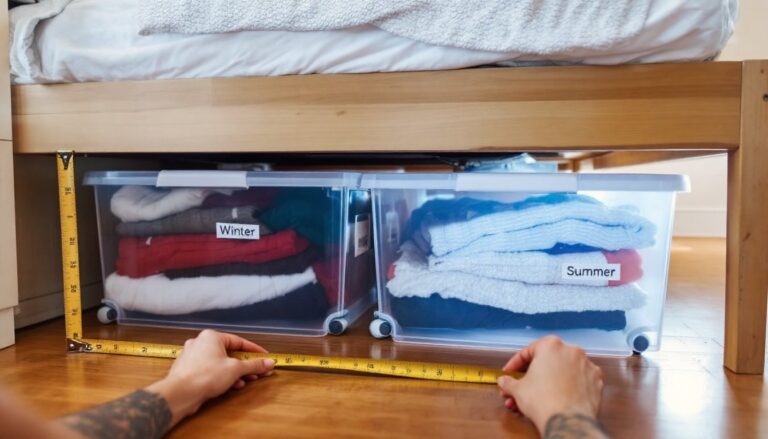
Start by assessing your storage location. Shelving units, closets, under-bed spaces, and open corners all suit different bin sizes. Measure your space before shopping, nothing’s worse than bringing home bins that don’t fit. Note ceiling height, shelf spacing, and door swing clearances.
Consider toy categories next. Action figures, dress-up clothes, building sets, and art supplies have different storage needs. Action figures fit in smaller bins stacked efficiently. Bulky items like play kitchens or ride-ons need floor space. Kids storage bins should be sized so children can handle them independently, too heavy or awkward, and they’ll abandon cleanup. A general rule: filled bins shouldn’t exceed 10–15 pounds for young kids.
Material durability matters. Plastic is affordable, lightweight, and easy to clean, but cheaper options crack or warp. Polypropylene and high-density polyethylene hold up better long-term. If bins sit in direct sunlight, UV-stabilized plastic prevents fading. Fabric bins add aesthetic appeal but aren’t ideal for wet toys or mold-prone basements.
Label everything. Use picture labels for pre-readers and clear text for older kids. Storage closet organization strategies rely on labeled systems, kids know where things belong, and you know where to find them. Laminated labels withstand sticky fingers and moisture better than paper stickers.
DIY Toy Storage Organization Tips
Inventory and purge first. Before buying bins, dump out all toys and sort. Broken items go out. Outgrown toys get donated. You’ll be surprised how much you can cull. This step prevents buying oversized storage for stuff you don’t need.
Use the “zone” method. Group similar toys together, vehicles here, building blocks there, dress-up costumes in another spot. This reduces chaos, speeds up cleanup, and teaches kids organizational logic. One zone might be art supplies, another is action figures. Within each zone, subdivide if needed using smaller containers inside larger bins.
Rotation saves space and sanity. Store half the toys and rotate every few months. This keeps the “new” feeling alive without purchasing more stuff, and it reduces daily cleanup volume. Kids play with less stuff more creatively than they do with overwhelming options.
Consider accessibility tiers. Frequently used toys, current favorites, go in easy-reach bins at eye level. Seasonal toys (Halloween costumes, beach toys) live higher up or in storage spaces. Items kept “just in case” (outgrown clothes waiting for younger siblings, spare parts) belong in the back or attic.
Parents and designers often overlook one truth: creative toy storage solutions succeed when they match your family’s habits, not Pinterest ideals. If your kids won’t use labeled compartments, don’t build them. If they dump bins upside down rather than picking items out, open tops are your friend. Work with your household’s nature, not against it.
For small-space challenges, apartment living often requires creative storage strategies. Vertical shelving, under-bed rolling bins, and closet organizers maximize unused real estate. Corner shelves and over-the-door racks add capacity without taking floor space.
Conclusion
Choosing the right toy storage bins, whether stackable systems, lidded containers, or open-top bins, transforms how your home functions day to day. The best system matches your space, your toys, and your family’s actual habits. Start small, measure twice, and don’t overthink it. Toy storage doesn’t need to be fancy: it needs to work. Once a system is in place and labeled, cleanup becomes faster, toys last longer, and your living space feels like yours again.