Table of Contents
ToggleBamboo has become a go-to material for homeowners tackling bathroom storage projects, and for good reason. It’s sustainable, naturally water-resistant, and looks clean enough to work in modern and rustic spaces alike. Whether you’re working with a cramped half-bath or a sprawling master suite, bamboo storage solutions can help you reclaim counter and floor space while keeping essentials within arm’s reach. This guide walks you through selecting, designing, and installing bamboo bathroom storage that actually works for your daily routine.
Key Takeaways
- Bamboo bathroom storage is a sustainable, moisture-resistant alternative to traditional wood and plastic that can last decades with proper sealing and basic maintenance.
- Wall-mounted bamboo shelves and vanities free up floor space and work well in both modern and rustic bathrooms, with shelves supporting 30–40 pounds when properly anchored to studs.
- Proper planning—measuring clearances, grouping items by frequency of use, and considering humidity zones—ensures your bamboo storage layout maximizes organization without clutter.
- Installation requires finding wall studs, using lag bolts or toggle bolts for anchoring, and applying a protective finish (urethane, varnish, or lacquer) to prevent warping and mildew on all bamboo pieces.
- Weekly wiping with a damp cloth, monthly checks for mold, and annual finish inspections keep bamboo bathroom storage looking fresh, while proper ventilation through an exhaust fan is critical to longevity.
Why Bamboo Is the Perfect Choice for Bathroom Storage
Bamboo outperforms traditional wood and plastic in humid bathroom environments because it naturally resists moisture better than many alternatives. The plant grows quickly and regenerates without replanting, making it one of the most sustainable lumber options available. Structurally, bamboo is harder and denser than oak, so shelves won’t sag under the weight of towels and toiletries.
It also accepts stain and finish well, allowing you to match existing cabinetry or go minimalist with natural grain. Unlike melamine or particleboard, bamboo pieces last decades with basic care. The aesthetic is versatile, bamboo reads as eco-conscious without screaming “I bought this because it’s trendy,” and it pairs well with tile, stone, and ceramic fixtures.
One honest caveat: bamboo is still wood. It needs a protective finish (urethane, varnish, or lacquer) to stand up to daily splashing and humidity swings. Unfinished bamboo will cup, warp, or develop mildew over time. If you’re buying ready-made pieces, confirm they’re sealed. If building from scratch, you’ll apply finish yourself, a straightforward step covered later.
Types of Bamboo Bathroom Storage Solutions
Shelving Units and Wall-Mounted Racks
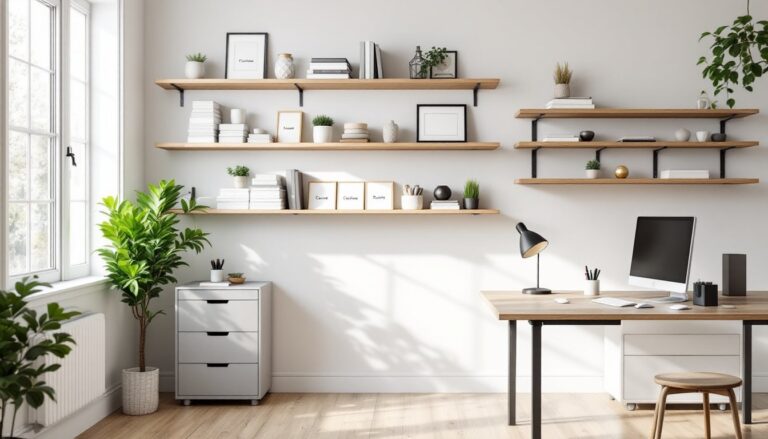
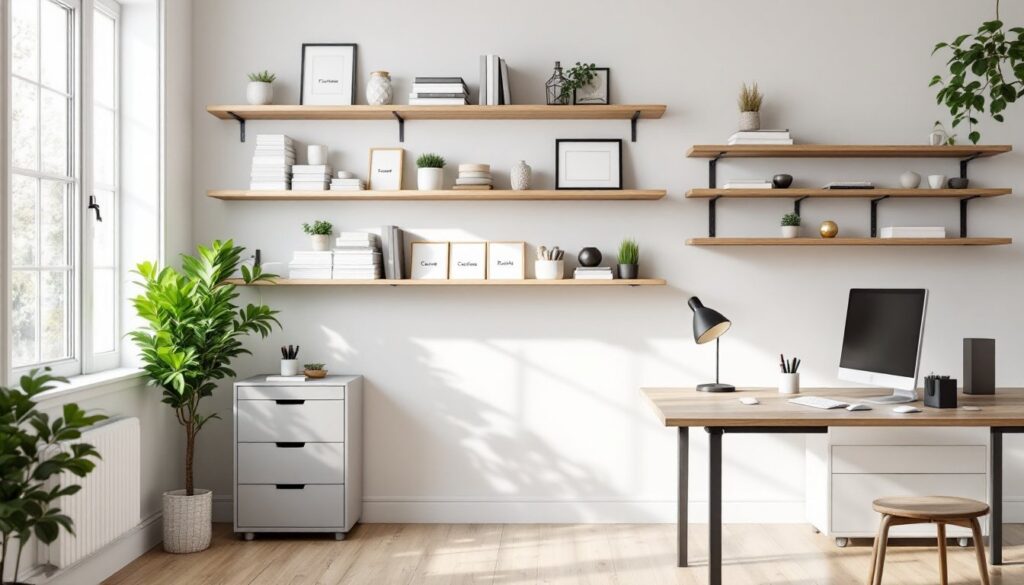
Wall-mounted bamboo shelves are the workhorse of bathroom storage. They free up floor space, keep items visible, and install quickly on studs. A typical 12-inch-deep bamboo shelf handles about 30 to 40 pounds when anchored properly, enough for stacks of towels, baskets, or decorative containers. You’ll find single-shelf units and tiered racks with two or three levels.
These come in various widths: 24, 30, 36, and 48 inches are standard. The ladder-style bamboo racks, essentially two vertical rails with horizontal shelves, work well in tight corners or beside the toilet. They’re open design means nothing collects dust on top surfaces.
Installation requires finding studs (a stud finder takes the guesswork out) and drilling into them with lag bolts or heavy-duty wall anchors if stud placement doesn’t align. Over-the-toilet shelving units need careful leveling: even a slight tilt throws off the visual balance and can stress the bracket attachment points.
Cabinets and Vanities
Bamboo vanities range from undersink cabinets with a single drawer to full double-sink units. These sit below the counter and hide the messy stuff, cleaning supplies, hair tools, medications. Standard bathroom vanity heights are 30 to 36 inches from floor to countertop: measure your space before ordering.
If you’re replacing an existing vanity, expect plumbing work (shutoff valves, supply lines, drain connection). This isn’t difficult, but it requires basic plumbing literacy. If pipes or walls show water damage, address that before installing a new cabinet, a neglected leak ruins the best storage investment.
Bamboo cabinets with drawers are especially useful because they organize vertical space efficiently. Soft-close hinges and drawer glides, standard on quality pieces, prevent slamming and extend the cabinet’s life. Check that the interior finish matches the exterior: cheaper units sometimes have raw plywood inside, which absorbs moisture and warps.
Designing Your Layout for Maximum Organization
Before buying a single shelf, measure your bathroom’s dimensions and sketch where storage will go. Account for clearance around doors and fixtures, a cabinet shouldn’t obstruct the shower door swing or block access to the toilet tank if repairs are needed. Test door openings with cardboard cutouts if you’re unsure.
Group storage by use. Everyday items, toothbrushes, skincare, deodorant, belong at eye level or within arm’s reach of the sink. Weekly items like extra towels or shampoo bottles go on higher or lower shelves. Cleaning supplies and medications should be stored safely, away from children’s reach if applicable.
Small bamboo baskets nested inside larger shelves maximize vertical space without clutter. Opaque containers hide the mess: clear ones are fine if contents are tidy and visually cohesive. Apartment Therapy covers small-space storage ideas that translate well to bathrooms, especially the principle of storing like items together, all hair-care tools in one basket, all lotions in another.
Consider humidity zones. The area directly above the shower or bathtub is the wettest: reserve that for water-resistant items like washcloths and shower caddies. Drier zones, corners, upper walls, or exterior walls not adjacent to wet fixtures, work for decorative baskets or less-frequently-used items.
Light matters too. A shelf directly above a vanity sink works best if your bathroom has decent overhead or wall sconce lighting. Shadowy corners make it harder to find things and feel cramped. If a shelf is dark, add a small battery-powered LED strip underneath to illuminate items below without running permanent electrical.
DIY Installation Tips for Homeowners
Materials and Tools You’ll Need
For wall-mounted shelves: lag bolts (⅜-inch diameter, 3 to 4 inches long), washers, toggle bolts or hollow-wall anchors (if studs aren’t available), wood shims, carpenter’s level, drill-driver, bit set, and stud finder.
For vanity installation: adjustable wrench, bucket, towels, supply line connectors, silicone caulk, caulk gun, and potentially flexible water supply lines if existing lines are rigid copper.
Safety first: Wear safety glasses when drilling overhead, dust and debris fall downward. Work gloves protect your hands from sharp edges on metal brackets. If cutting bamboo, a dust mask prevents inhalation of fine particles.
Step-by-Step Installation
For wall shelves:
- Locate studs using a stud finder and mark them lightly with pencil. Studs in most homes are 16 inches on center (measured from the center of one stud to the next).
- Hold the shelf bracket against the wall where you want it, level it, and mark the bolt holes.
- Drill pilot holes slightly smaller than your bolt diameter to prevent splitting.
- Drive lag bolts through the bracket and into the stud. Use a washer under the bolt head to prevent the bracket from pulling into the wood.
- Level again before tightening fully. Tighten bolts with an adjustable wrench, snug, not gorilla-tight.
- If the shelf must sit between studs (or the stud spacing doesn’t work), use toggle bolts rated for your shelf weight. Toggle bolts support heavier loads in drywall than standard anchors.
- Slide the shelf onto the bracket and secure with provided fasteners (usually set screws underneath).
For vanity replacement:
- Shut off the water supply at the wall shutoff valve (turn clockwise).
- Disconnect supply lines (hot and cold) by loosening the compression fittings with a wrench. Place a towel underneath to catch drips.
- Loosen the sink drain nut and slide out the drain assembly.
- Remove the old vanity by unscrewing or unbolting it from the wall and floor.
- Check the wall and subfloor for rot, mold, or damage. Replace damaged subfloor or wall sheathing before proceeding.
- Position the new vanity, ensure it’s level front-to-back and side-to-side using shims if needed, and screw it to the wall studs.
- Reconnect the drain and supply lines. Tighten compression fittings by hand, then give them a quarter-turn with a wrench, not more.
- Run water and check for leaks. Tighten fittings slightly if drips appear.
- Seal around the vanity top with silicone caulk where it meets the wall: use painter’s tape to keep lines clean.
Remodelista features curated bathroom remodel inspiration that shows real installations in varied spaces. Referencing completed projects helps you anticipate how your layout will feel.
One more thing: if your bamboo shelves or vanity arrive weeks before installation, store them flat in a dry area. Moisture absorption before sealing causes warping. Stack shelves with spacers between them to allow air circulation.
Maintenance and Care for Longevity
Bamboo storage in bathrooms demands minimal but consistent care. Weekly or bi-weekly: Wipe shelves and cabinet exteriors with a soft, damp cloth to remove dust and moisture residue. Don’t soak, damp cloth, quick dry. Avoid standing water on surfaces.
Monthly: Check corners and underside of shelves for any signs of moisture, discoloration, or mildew. If you spot black or greenish spots, scrub gently with a soft brush and a 1:1 mix of white vinegar and water, then dry immediately. Early intervention prevents deep mold growth.
Annually: Inspect the protective finish (varnish, urethane, or lacquer) for scratches or worn spots. A small scratch exposes raw wood to moisture. Minor damage can be touched up with matching stain or finish from a hardware store. Major worn areas may warrant refinishing, a project for a later day, but worth it to extend the life of the piece.
Ventilation is your best friend. A humid bathroom ages bamboo faster. Run an exhaust fan during showers and for 20-30 minutes after. If your bathroom lacks ventilation, consider adding one, a quiet CFM-rated fan sized for your room’s square footage removes moisture effectively. Houzz’s bathroom design showcase includes examples where proper ventilation and carefully sealed finishes keep bamboo storage looking fresh for years.
Avoid: harsh cleaners, abrasive scrubbers, or excessive water. Avoid placing wet items directly on bamboo for extended periods: use coasters or absorbent mats. Don’t store leaky bottles or containers on open shelves, the slow drip damages finish and causes rot.