Table of Contents
ToggleLiving rooms are high-traffic zones where comfort and function collide. Blankets draped over sofas, piled on chairs, or shoved into closets don’t just look messy, they waste valuable space and make it harder to grab what you need on a chilly evening. Smart blanket storage ideas can transform how your living room functions while keeping those cozy layers both accessible and organized. Whether you’re working with a sprawling den or a modest apartment, there’s a storage solution that fits your space and style. This guide walks through six practical approaches to blanket storage that combine form and function, from decorative baskets to repurposed furniture hacks.
Key Takeaways
- Decorative baskets and bins offer flexible, no-installation blanket storage that fits beside sofas or in corners while keeping throws accessible and organized.
- Wall-mounted blanket ladders display throws functionally while adding visual interest to your living room, with models ranging from $40–$150 depending on materials.
- Storage ottomans and coffee tables with hidden compartments maximize space efficiency in smaller living rooms by combining seating with blanket storage functionality.
- Dedicated shelves or nooks styled as blanket stations add both storage and décor appeal, especially when arranging blankets with alternating textures and colors.
- A wall-mounted rod with clips or rings creates an accessible, dust-free blanket display that works beautifully above sofas while keeping frequently used throws within arm’s reach.
- Repurposed furniture like wooden ladders, trunks, or rolling carts offers budget-friendly, personalized blanket storage solutions that maximize function without purchasing new pieces.
Use Decorative Baskets and Bins
Decorative baskets remain one of the easiest, most flexible blanket storage options. They tuck beside the sofa, nestle under side tables, or slide into awkward corners, no installation required. Woven wicker, seagrass, or rattan baskets add texture and warmth to a living room while keeping blankets neatly contained.
Choose baskets sized appropriately to your blanket collection. A standard throw blanket (roughly 50″ × 60″) rolls compactly, so one medium basket (14″ × 14″ minimum) holds 3–4 throws. If you’re storing larger quilts or afghans, opt for a larger bin (18″ × 18″ or bigger). Cotton canvas bins work well in modern spaces, while wicker suits traditional or farmhouse aesthetics.
For easy access, store frequently used blankets at the basket’s top: rotate seasonal ones deeper inside. Label baskets if you’re storing multiple types (throws, quilts, seasonal layers) so household members know where to find what they need. Rolling blankets rather than folding them maximizes space and reduces wrinkles.
Install a Wall-Mounted Blanket Ladder
A blanket ladder, sometimes called a quilt ladder, leans against the wall and displays blankets in an intentional, design-forward way. It’s functional decor that keeps throws at arm’s reach while adding visual interest to your living room.
Blanket ladders come in wood, metal, or mixed finishes and typically stand 4–5 feet tall. Wood versions suit farmhouse, rustic, or traditional spaces: black metal works in industrial or mid-century modern rooms. Installation is straightforward: lean the ladder against the wall (no fastening needed for stability on most models), then drape 2–4 blankets across the rungs.
One key advantage is visibility, you see all your blankets at a glance and can rotate them seasonally without hidden storage. This approach works best in corners or beside seating areas where a leaning ladder won’t block foot traffic. If you have young children or pets, anchor the ladder to the wall with L-brackets to prevent tipping. Most ladders run $40–$150 depending on materials and size.
Utilize Your Ottoman or Coffee Table
Many ottomans and coffee tables hide storage compartments inside, a sneaky way to stash blankets without dedicated furniture. If your current ottoman has a solid bottom, consider replacing it with an upholstered storage ottoman that lifts open, or adding a cushioned storage box that doubles as a footrest.
Storage ottomans typically hold 8–12 rolled throws per cubic foot of space. Measure the interior dimensions (many run 18″ × 18″ × 12″ tall for small versions) and test how many blankets fit comfortably without straining the hinges or latch. Some people pair a storage ottoman with a living room design that doesn’t rely on a traditional coffee table, freeing up floor space entirely.
This solution works especially well in smaller living rooms where every piece of furniture must earn its keep. The downside: accessing blankets means moving the ottoman or lifting the lid, so it’s less ideal if you grab blankets several times a day. Look for ottomans with reinforced bases (hardwood frame, quality hinges) to ensure durability over years of opening and closing.
Create a Dedicated Blanket Shelf or Nook
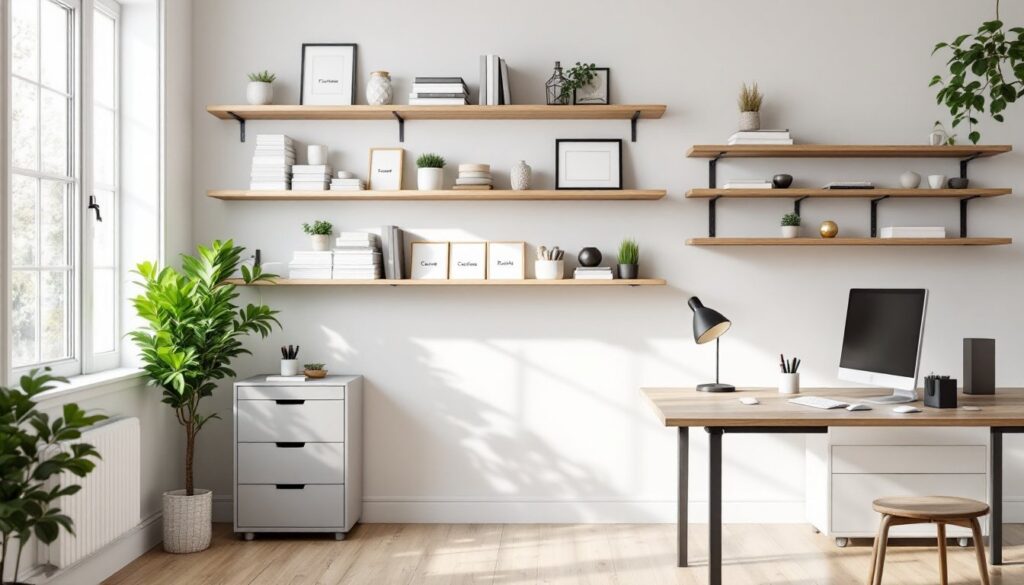
If you have an open shelf, alcove, or built-in nook, styling it as a dedicated blanket station adds both storage and visual appeal. This approach works in formal living rooms, reading nooks, or beside fireplaces where blankets are part of the décor.
Shelf storage solutions benefit from thoughtful arrangement. Stack blankets neatly (fold them into thirds lengthwise, then thirds again to create a tidy rectangle), or roll them into cylinders for a more dynamic look. Alternate textures and colors, a cream cable knit next to a charcoal plaid throw, for instance, to create visual rhythm. Leave some negative space: an overstuffed shelf looks cluttered rather than curated.
For open shelving, use decorative bookends or shelf dividers to keep stacks from toppling. If your nook has a closet or enclosed shelf, you can pack blankets more densely without worrying about appearance. Ensure shelves are rated for weight: blankets are bulkier than books, so test capacity before overloading. Standard drywall anchors won’t hold heavy loaded shelves, use solid fasteners into studs or use a floating shelf system designed for the load.
Hang Blankets on a Decorative Rod or Rail
A simple rod or rail mounted on the wall creates a custom blanket display that’s pure function disguised as art. Install a standard 1-inch diameter rod 12–18 inches away from the wall using heavy-duty brackets, then hang blankets on rings, clips, or hooks.
Measurement and installation matter here. Locate wall studs using a stud finder and drive lag bolts into them: don’t rely on drywall anchors alone if you’re hanging multiple heavy blankets. Standard rod brackets space 48–60 inches apart for optimal support. A 4-foot rod holds about 6–8 rolled or folded blankets comfortably without sagging.
Choose hardware that fits your décor: antique brass, brushed nickel, or matte black are common finishes. Quilt clips with rubber grips prevent slipping, while café-style rings let blankets slide along the rod for easy rearrangement. This method works beautifully above a sofa, along a bedroom wall, or in an entryway, and creates an instant focal point. It also keeps blankets dust-free and accessible, making it ideal for frequently used throws.
Repurpose Furniture for Hidden Storage
Think beyond traditional storage when you’ve got unused furniture lying around. An old wooden ladder (painted or stained to match your décor) works as a rustic blanket rack. A blanket trunk at the foot of a seating area serves dual duty as an accent piece and storage. Even a rolling cart or utility trolley, like the IKEA RÅSKOG design featured in creative home projects, can store blankets on lower shelves while top shelves hold decorative items or reading materials.
Space-saving storage hacks often involve repurposing what you already own or finding secondhand pieces at thrift stores. Upholstered benches with hidden compartments, vintage chests, or even a headboard with built-in shelving (from a full-size storage bed frame concept adapted for living rooms) maximize function without buying new.
The beauty of repurposing is flexibility and budget-friendliness. You’re recycling existing pieces while creating personalized storage that matches your home’s character. Just ensure furniture is structurally sound, check hinges, legs, and shelves for stability, before loading heavy blankets. A wobbly trunk or cart is a safety hazard and will frustrate daily use.
Conclusion
Blanket storage doesn’t mean sacrificing style for function. Whether you choose decorative baskets, a wall-mounted ladder, hidden ottoman storage, dedicated shelving, hanging rods, or repurposed furniture, the right approach depends on your space, lifestyle, and aesthetic preferences. Start by assessing how many blankets you actually use, where you grab them most often, and what visual style suits your living room. Most of these solutions are affordable, require minimal or no installation, and can be adjusted as your needs change. A well-organized blanket station keeps your living room functional, welcoming, and ready for cozy nights ahead.