Table of Contents
ToggleCamping is an adventure that calls for the right gear, but what happens when that gear turns into a chaotic mountain in the corner of the garage? If he’s ever tried to find a tent buried under a pile of sleeping bags and half-deflated air mattresses, he knows the struggle is real. Proper camping gear storage can mean the difference between a smooth getaway and a frantic search party for the elusive camp stove.
Importance Of Camping Gear Storage
Proper storage for camping gear prevents chaos and frustration during trip preparations. Efficient organization reduces stress when locating essential items like tents, camp stoves, and sleeping bags. When camping gear remains accessible, the packing process becomes smoother, facilitating quicker and easier trips.
Avoiding clutter not only enhances organization but also extends the lifespan of equipment. Items stored in ideal conditions experience less wear and tear, contributing to reliability on future outings. Appropriate storage solutions, such as bins, shelves, and bags, enable campers to categorize gear, further simplifying access.
Knowledge of suitable storage techniques greatly enhances the camping experience. Labeling containers promotes efficiency by allowing quick identification of items. Consistent organization encourages returning campers to track important gear, thereby streamlining future preparations.
Camping enthusiasts often overlook the importance of maintaining a clutter-free environment. Emphasizing storage methods helps prevent the common challenge of forgetting essential items, ultimately leading to successful trips. A systematic approach also allows for safe gear retrieval, lowering the risk of damage.
Regularly assessing and redefining storage methods can elevate camping experiences. Integrating innovative storage solutions accommodates evolving gear collections, providing flexibility as enthusiasts acquire new items. Prioritizing effective storage fosters a culture of preparedness, benefiting both new and seasoned campers alike.
Types Of Camping Gear Storage Solutions
Effective storage solutions enhance organization and accessibility of camping gear. Various types exist to cater to different storage needs.
Shelving Units
Shelving units provide a sturdy framework for storing camping gear. They come in various sizes and materials, enabling customization to specific spaces. Wood and metal shelving offer durability, which suits heavy equipment like coolers and sleeping bags. Organizing items by category on shelves maximizes available space. Rubber mats or pads prevent sliding, ensuring stability and easy access.
Storage Bins
Storage bins are versatile and protect gear from dust and moisture. Clear plastic bins allow for quick visibility of contents, simplifying identification. Soft-sided bags offer portability and maintain lightweight convenience while organizing smaller items. Labels on bins improve organization, making it easy to find essentials. Using stackable bins optimizes space efficiency and adapts to changing gear collections.
Hanging Organizers
Hanging organizers save floor space by utilizing vertical areas. They feature pockets or compartments, ideal for storing smaller items like flashlights, utensils, and first-aid kits. Canvas or fabric options expand to hold various gear while remaining lightweight. Hooks can be installed in tents or garages for easy access. Incorporating hanging organizers streamlines packing processes and minimizes time spent searching for essentials.
Best Practices For Camping Gear Storage
Proper camping gear storage involves several key practices that ensure easy access and longevity of equipment.
Cleaning And Maintenance
Cleaning gear after each trip prevents dirt and moisture buildup. Fabrics, such as tents, should be wiped down and allowed to dry completely. Regular inspection of equipment identifies any wear and tear early. Gear should receive repairs promptly to avoid further damage. Storing items in suitable conditions, away from extreme temperatures, helps maintain integrity. Overall maintenance checks should occur at the start and end of each season to keep gear ready for use.
Organizing By Frequency Of Use
Organizing gear based on frequency of use enhances accessibility. Items used regularly, like sleeping bags or cooking utensils, should be easily reachable. Storing less frequently used items, like seasonal gear, in the back or higher shelves optimizes space. Creating a designated area for essential items ensures quick access during packing. Color coding or labeling can offer instant recognition of gear locations. Regularly reassessing gear organization keeps storage efficient as users’ needs change.
Seasonal Gear Storage Tips
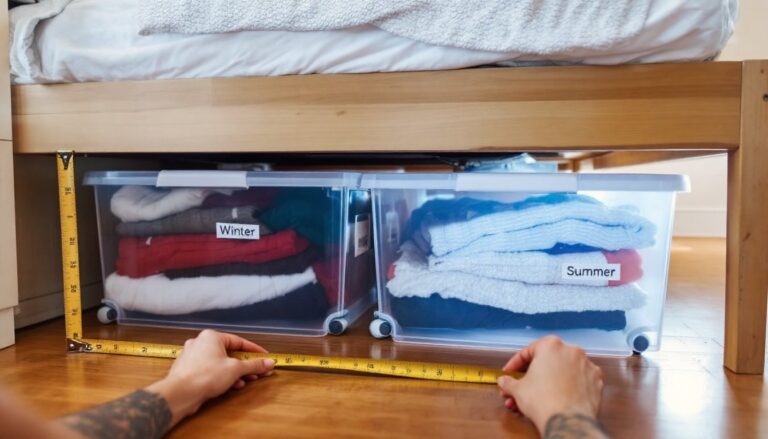
Store summer camping gear in a cool, dry place to prevent mold and damage. Utilize clear bins for easy visibility of items like tents and sleeping bags. Consider vacuum-sealing clothes and bedding to save space and protect against moisture.
For winter gear, prioritize keeping items away from direct sunlight to avoid fading. Sturdy plastic containers can protect items from moisture, while dedicated shelves offer easy access to frequently used gear.
Spring presents an opportunity to assess gear; checking for wear and tear ensures preparedness for upcoming trips. Organize by type, with cooking supplies in one area and sleeping gear nearby for convenience.
Autumn storage should focus on cleaning items thoroughly before packing. Properly dry tents and packs to avoid mildew buildup, ensuring they remain in top condition. Using labels on containers can significantly speed up the process of locating specific gear.
Always reassess storage solutions based on the changing seasons and new gear acquisitions. Regularly inspect bins for deterioration or pests. Consider a rotating storage method, placing less frequently used gear at the back and seasonal items upfront for quick retrieval.
Proper storage of camping gear is essential for a hassle-free outdoor experience. By implementing effective organization strategies and utilizing the right storage solutions, campers can easily access their equipment and ensure its longevity. Regularly assessing storage methods and adapting to changing needs not only minimizes stress but also maximizes enjoyment during trips. With a little effort in organizing and maintaining gear, both novice and experienced campers can enhance their readiness for any adventure. Prioritizing these practices will lead to more successful outings and memorable moments in nature.