Table of Contents
ToggleClutter has a way of sneaking into every corner of a home, closets, kitchens, garages, and bedrooms. Clear cube storage bins have become a go-to solution for homeowners who want visibility without sacrificing style or function. Unlike opaque containers that hide what’s inside (and often forgotten), clear cube storage bins let you see exactly what you’ve stored at a glance. They’re modular, stackable, and fit neatly into tight spaces. Whether you’re organizing seasonal decorations, kitchen pantry items, or a child’s toy collection, these bins provide a straightforward way to reclaim space and keep things accessible. This guide walks through choosing the right bins, placing them effectively throughout your home, and using smart labeling to maintain order long-term.
Key Takeaways
- Clear cube storage bins eliminate forgotten items by letting you see exactly what you’ve stored at a glance, preventing duplicate purchases and reducing clutter.
- Choose the right size and material by measuring your space accurately and selecting bins with thicker plastic walls (3-4mm) in standard dimensions like 12, 13, or 15 inches for durability and proper stacking.
- Use specific labeling and color-coding systems paired with photos of bin contents to maintain organization and ensure items are easy to locate for everyone in your household.
- Clear cube storage bins work throughout your home—from under-bed storage and kitchen pantries to garages and basements—providing both visibility and protection from dust and damage.
- Schedule seasonal audits every six months and rotate stored items by season to keep your most-needed items accessible and prevent bins from becoming static or filled with items you no longer use.
Why Clear Cube Storage Bins Are a Game-Changer for Home Organization
Clear cube storage bins solve a fundamental problem: most people forget what they store in opaque containers. Three months later, you’re buying a duplicate set of Christmas lights because you couldn’t remember the first set was already in a box in the attic. Cube bins eliminate that guessing game.
They’re also incredibly flexible. Standard cube bins (typically 12-inch, 13-inch, or 15-inch dimensions) fit into shelving units, wire racks, or can stack directly on closet floors. The modular design means you can start with one or two bins and add more as your organization needs grow, no commitment to a full system upfront.
Visibility isn’t just convenient: it’s psychologically satisfying. Being able to see your stored items creates a sense of control and order. Many people report feeling less anxious about their storage situation once they switch to clear bins. They also photograph well, which matters if you’re posting before-and-after home organization photos on social media or simply want your organized spaces to look intentional rather than haphazard.
From a practical standpoint, clear cube bins protect contents better than open shelving. Dust, pet hair, and accidental spills won’t compromise what’s inside. The rigid plastic construction (usually polypropylene or similar BPA-free plastics) resists denting better than softer fabric bins. They’re also easier to clean, a quick wipe with a damp cloth and they’re good as new.
Choosing the Right Size and Material for Your Storage Needs
Clear cube storage bins come in a few standard sizes, and choosing the right one makes a huge difference in how well they’ll work for your space. The most common dimensions are 12-inch cubes (compact, ideal for small closets and shelves), 13-inch cubes (slightly deeper, better for awkward shelf depths), and 15-inch cubes (larger capacity, best for open floor storage in bedrooms or basements). Before buying, measure your available space, don’t just eyeball it.
Material matters too. Most quality clear cube bins are made from polypropylene plastic, which is durable, lightweight, and won’t degrade in sunlight if they’re stored in a bright room. Some higher-end options use reinforced plastic or acrylic for additional durability. Avoid ultra-cheap bins that feel flimsy when empty: they’ll warp under weight or when stacked multiple bins high.
Thickness of the plastic wall is worth checking. Bins with thicker walls (roughly 3-4mm) will hold up better over years of moving and restacking. Read product reviews specifically for mentions of durability and whether bins remain square after months of use, some cheaper options develop a slight warping that prevents neat stacking.
Measuring Your Space and Storage Requirements
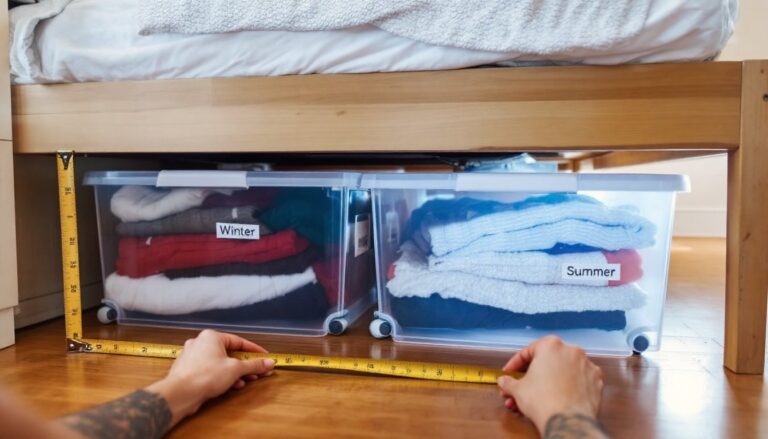
Start by measuring your intended storage location in three dimensions: width, height, and depth. Account for baseboards, trim, or slightly uneven walls. A shelf that’s nominally 36 inches might actually be 35.5 inches due to trim or installation variations.
Next, assess what you’re actually storing. Seasonal decorations, kitchen overflow, craft supplies, and toys all have different density and shape. A bin full of lightweight scarves won’t weigh the same as one packed with holiday dishes. This matters when stacking, you don’t want to crush lightweight items under heavy bins above them.
Consider also whether you’ll access these bins frequently or rarely. Items you reach into monthly should sit at eye level or waist height, not on a high shelf where retrieving them becomes annoying. Seasonal items you access once or twice yearly can occupy harder-to-reach spots.
Creative Ways to Use Clear Cube Bins Throughout Your Home
Clear cube storage bins aren’t just for closets anymore. Their clean appearance and functionality make them work in living spaces, basements, and even kitchens, anywhere you need visibility and organization without industrial-looking shelving.
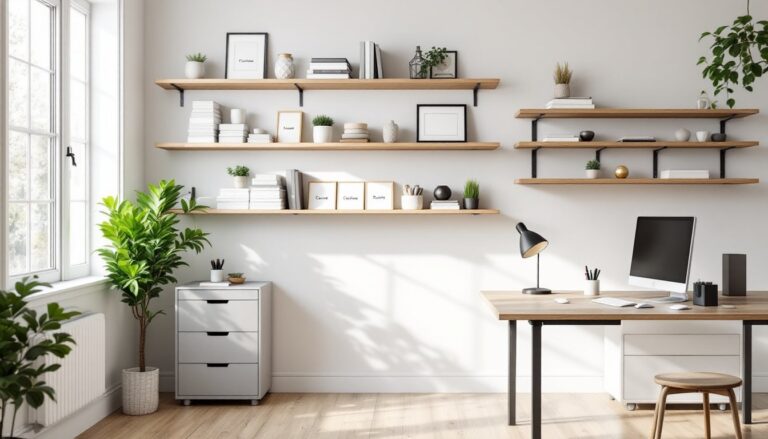
One popular approach is creating a modular storage wall in a home office or bedroom. Line up several bins on a simple wooden shelf or wire rack, arrange them in a grid, and you’ve got both function and a somewhat intentional aesthetic. The transparency keeps the look from feeling cluttered, even when packed.
For awkward under-stair storage, cube bins fit well because they’re rigid and stack predictably. You’re not stuffing random items into an oddly shaped void: you’re fitting bins that maintain their shape and can be slid in and out without collapsing.
Multiple organization experts, including guidance from Good Housekeeping’s review of clear storage solutions, emphasize that see-through bins work exceptionally well for hobby supplies, memorabilia, and archived paperwork. They’re ideal for anyone with a sizable collection, craft materials, photography equipment, kids’ school projects, because you can assess what you have without unpacking everything.
Bedroom, Kitchen, and Garage Storage Solutions
Bedrooms benefit most from under-bed storage using shallow, long cube bins. A typical under-bed space fits three or four 13-inch or 15-inch cubes in a row. This approach keeps out-of-season clothing, extra bedding, and bulky items hidden yet accessible. No more wondering what’s under there.
Kitchens work well with cube storage for pantry overflow, small appliances you don’t use daily, or specialty baking equipment. A cube bin stored on a high kitchen shelf keeps rarely-used items visible but out of the way. Smaller cubes also fit inside larger pantry shelving units, creating subdivisions that prevent items from shifting around.
Garages often become catch-all zones, and cube bins provide structure. Group similar items, paint supplies, seasonal tools, holiday lights, into labeled bins and stack them on wall shelving. This approach transforms a chaotic garage into zones that make sense. If you’re interested in larger-scale garage organization, explore stackable storage solutions that pair well with cube systems.
Basements and attics are natural homes for clear cube bins since you’re already in storage-mode thinking. Unlike dark plastic bins where you forget contents, clear cubes keep you aware of what’s down there, reducing duplicate purchases and helping prevent the “junk accumulation” cycle that basements are prone to.
How to Maximize Organization With Labeling and Categorization
Buying the bins is step one. Using them effectively requires a labeling system that actually sticks, literally and figuratively.
Label makers (the handheld kind or print-and-stick labels from your home printer) are worth the small investment. Write category names on label tape or stickers and apply them to the front of each bin. Avoid permanent marker on clear plastic: it fades, looks sloppy, and doesn’t come off cleanly if you repurpose the bin later.
Be specific with categories. “Miscellaneous” is the enemy of good organization, it’s a bin that becomes a junk drawer. Instead, use narrow categories: “Winter Hats,” “Beach Towels,” “Craft Markers,” “Extra Bedding.” Specific labels make returning items easy for anyone in the household and help prevent the bin from becoming a dumping ground.
Consider a color-coding system to pair with labels, especially in shared spaces like garages or basements. Color-coded tape on bin edges, matching category labels, or even spray paint on the bottoms can help family members quickly identify which bins belong to which zone or person.
For bins stored out of sight (under beds, in closets), take a quick photo of the contents and attach it to the outside of the bin with a label or tape. This takes 30 seconds and saves you from opening bins when you already remember what’s inside.
Home organization resources like those found at Martha Stewart and The Spruce’s home organization guides both emphasize that maintenance matters. Once you’ve organized bins, schedule a quick audit every six months, winter and summer work well, to remove items you’ve outgrown or no longer use. This prevents bins from becoming static storage that never evolves.
Rotate what you store seasonally. Winter gear goes deep into storage in July: summer items take those visible, easy-access spots instead. This natural rotation keeps your most-needed items accessible and reminds you annually what you’re actually keeping.
Conclusion
Clear cube storage bins transform chaotic spaces into organized systems because they combine visibility, durability, and flexibility. Start by measuring your space accurately, choose sizes that fit your layout, and commit to a labeling system from day one. The key isn’t perfection, it’s consistency. Once you see how much clearer your closets, bedrooms, and garages become, you’ll understand why these simple bins have become such a popular solution for home organization. Your future self will thank you every time you open a bin and immediately see what’s inside.