Table of Contents
ToggleA full bed frame, measuring 54 inches wide by 75 inches long, is the Goldilocks of mattress sizes: bigger than a twin, but not as sprawling as a queen. Yet too many homeowners treat that precious space underneath as wasted real estate. Full bed frames with storage flip that script entirely. By pairing a comfortable sleep surface with built-in drawers, shelving, or lift-up platforms, you’re essentially adding furniture to your room without consuming another square inch of floor space. Whether you’re furnishing a kid’s bedroom, a guest room, or maximizing a studio apartment, a full bed with storage solves the eternal puzzle of where to stash bedding, seasonal clothes, sports gear, or off-season decor. This guide walks you through the types available, what to look for when choosing one, and how to install or assemble your pick.
Key Takeaways
- Full bed frames with storage maximize room functionality by using under-bed space for drawers, lift-up platforms, or shelving without consuming additional floor space.
- Under-bed drawers work best for frequently accessed items like clothes and shoes, while lift-up designs with pneumatic struts are ideal for seasonal rotation and heavy storage up to 300+ pounds.
- When selecting a full bed frame with storage, prioritize ball-bearing drawer glides, solid wood construction, and verified weight capacity to ensure durability and smooth operation for years of use.
- Proper assembly of your full bed frame with storage requires precise alignment of drawers, level flooring, correctly spaced slats, and sturdy corner joints to prevent racking and ensure stable, noise-free performance.
- A full bed frame with storage is particularly valuable in small spaces like dorms, studios, and modest bedrooms where it reclaims square footage while keeping seasonal clothes, bedding, and off-season decor neatly organized.
Why Full Bed Frames With Storage Are A Game-Changer For Small Spaces
Square footage is premium real estate in modern homes. A standard dresser or nightstand cabinet eats up floor space and crowds a room fast. A full bed frame with storage does the opposite: it uses vertical or under-bed real estate that’s already committed to the bed itself. You’re not adding footprint: you’re adding function.
For families raising kids in modest bedrooms, this is non-negotiable. Toys, school supplies, extra blankets, and seasonal clothes have nowhere else to hide, and they shouldn’t have to live in closets that are already bursting. With a full size storage bed frame, those items slip neatly out of sight. The room stays visually open, and the child (or parent) benefits from lower stress and easier tidiness.
Dorms, guest rooms, and even master bedrooms in apartments gain similar breathing room. You’re reclaiming usable square footage without sacrificing comfort or style. The bed becomes a hero piece, functional furniture that earns its weight in both sleep and storage.
Types Of Storage Solutions: Finding The Right Fit For Your Needs
Not all full bed frames with storage work the same way. Your choice depends on what you need to store, how often you access it, and what your room’s layout allows.
Under-Bed Drawers and Lift-Up Designs
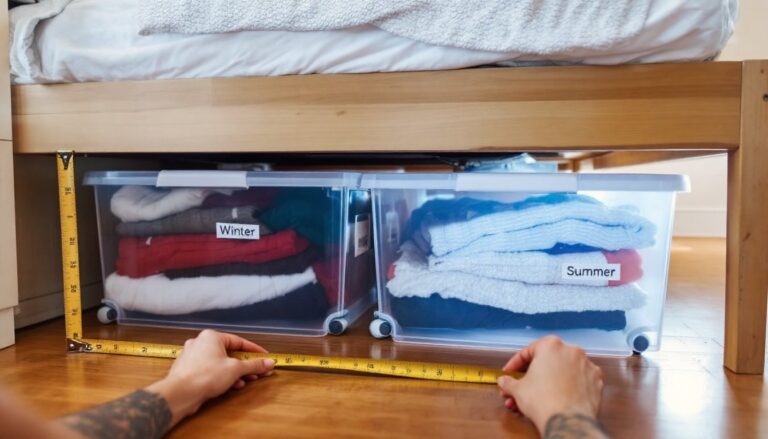
Under-bed drawers are the workhorse of bedroom storage. A typical full frame comes with two or four rolling drawers mounted beneath the bed’s support rails. These slide out on ball-bearing guides, meaning they glide smoothly even when loaded. Most drawers hold 50–75 pounds and offer 12–18 inches of vertical clearance, enough for folded clothes, bedding, or small bins.
Lift-up platform designs take a different approach. The entire mattress platform (or the foot section) hinges upward, revealing a cavernous storage chamber below. This design maximizes capacity, you’re storing directly under where the mattress sits, but it requires a bit more muscle to raise it. Pneumatic struts (gas-assisted hinges) are standard and make lifting much easier: they cost a bit more but are worth it if you’ll be accessing storage frequently. A lift-up full frame can swallow 300+ pounds of gear if engineered correctly.
Drawers suit clothes, shoes, and items you grab weekly. Lift-up designs work better for seasonal rotation, think winter coats in summer or holiday decorations.
Built-In Shelving and Open Storage
Some full bed frames integrate open shelving on the headboard or along the sides. These keep items visible and accessible without yanking open drawers. They’re ideal for books, plants, a lamp, or decorative bins that disguise clutter. The trade-off: nothing’s hidden, so you need to stay tidy. Open shelving also doesn’t protect items from dust, making it less suitable for long-term storage of clothes or linens.
Headboard shelving is particularly smart in small rooms because you’re using vertical wall space that a standalone bed wouldn’t touch. A storage archives section like Hearthstone Crafts’ database can show you models combining shelves with drawers for hybrid functionality.
How To Choose The Perfect Full Bed Frame With Storage
Before you buy, nail down these specifics:
Mattress Compatibility: A full mattress is nominally 54 by 75 inches, but actual dimensions vary slightly. Check your mattress’s exact measurements, some memory foam or pillow-top models run thicker or slightly wider. Confirm the frame’s platform can support your mattress type and weight. Slats (wooden beams) or a metal grid both work: slats provide better breathability, which matters if you use memory foam.
Drawer Glide Quality: Budget frames use cheap nylon or plastic slides that bind after a year. Mid-range and higher frames use ball-bearing or roller glides, Japanese-brand Accuride and Sugatsune slides are industry standards and last years longer. When shopping, pull a drawer sample in-store if possible: it should glide smoothly and stop cleanly at full extension.
Weight Capacity: A full frame with a person, mattress, and drawer contents can total 400+ pounds. Verify the manufacturer’s weight limit for both the mattress platform and drawer guides. If you’re storing heavier items (tools, camping gear), you need sturdy steel construction, not particleboard, and reinforced brackets.
Height: Standard frames sit 18–24 inches off the ground. Taller frames (24–30 inches) are easier to get in and out of and create bigger under-bed clearance. Shorter frames are cozier and work better in rooms with low ceilings. Measure your ceiling height and legroom needs before committing.
Finish and Material: Solid wood (pine, oak, birch) looks better and lasts longer than veneer or MDF (medium-density fiberboard). Pine is cheaper but softer: oak is heavier and more durable. Veneer is thinner and can chip or peel. If you’re building a DIY frame, projects on Instructables or IKEA Hackers show budget-friendly approaches using standard lumber or hacking IKEA components.
DIY Installation and Assembly Tips
If you’re assembling a store-bought frame or building from plans, follow these steps:
Preparation:
- Clear the room completely. A bed frame assembly needs floor space and good lighting.
- Lay out all parts and hardware on a clean floor. Scan the manual and sort pieces by function (rails, slats, bracket, hardware).
- Use a level to check your floor. Even a 1/2-inch slope can cause drawers to stick or misalign. If needed, shim with hardboard under the frame’s feet.
Assembly:
- Assemble the two side rails first. If they’re wood, pocket holes (drilled joints) or heavy-duty screws hold better than nails. A cordless drill and a Kreg Jig make pocket holes foolproof: Fix This Build That has solid tutorials on the technique.
- Attach the headboard and footboard to the rails using the supplied brackets. Use a square to ensure corners are 90 degrees, a twisted frame leads to racking (diagonal stress that destroys joints over time).
- Install slats or the metal platform. Space slats roughly 3 inches apart: too far apart and the mattress sags.
- Fit drawer glides next. Most are center-mounted or side-mounted. Align them perfectly parallel using a level and a tape measure from a fixed reference point (like the floor). Misaligned drawers won’t close smoothly.
- Slide drawers in and test their action. They should glide and stop without grinding or tipping. Adjust guides if needed.
- Add the mattress and a light load (yourself, a few blankets) before fully using the storage. This lets you spot any squeaks or movement.
Safety Notes:
- Wear safety glasses when driving fasteners or cutting wood.
- Use a dust mask if you’re cutting MDF or old particleboard (off-gassing and fine particles).
- If the frame is heavy, ask a second pair of hands to help flip or move it into position. A 150+ pound frame can cause back injury alone.
- Ensure the bed is stable before sleeping on it. Rock it gently, there should be zero movement. If there’s flex, tighten all fasteners and check for warped wood or loose brackets.
Conclusion
A full bed frame with storage transforms a bedroom from cramped to capable. Whether you choose drawer-based, lift-up, or hybrid shelving designs, you’re gaining practical space without walls or renovations. Focus on solid construction, smooth glides, and proper assembly, those details separate a storage bed that serves you for a decade from one that frustrates you within a year. Measure twice, assemble carefully, and you’ll end up with a bed that’s as hardworking as it is comfortable.