Table of Contents
ToggleA full size storage bed frame is a practical investment for any homeowner looking to maximize limited bedroom real estate. Instead of tucking unused items under a standard bed or cramming a closet to the rafters, a storage bed frame built into your sleeping surface lets you keep seasonal clothing, extra bedding, or other essentials right where you sleep. Whether you’re furnishing a guest room, a teen’s bedroom, or your own master suite, understanding how storage beds work and what to look for will help you choose the right solution. This guide covers everything from basic features to installation tips so you can make an well-informed choice.
Key Takeaways
- A full size storage bed frame combines sleeping and storage functionality with 6–12 cubic feet of capacity, eliminating the need for separate dressers and maximizing limited bedroom space.
- Solid wood frames offer 600–800 pounds of weight capacity and durability, while engineered wood options provide a budget-friendly alternative at 500–700 pounds.
- Ball-bearing drawer slides rated for at least 100 pounds ensure smooth operation and longevity, making them a superior choice over friction slides.
- Proper installation requires clearing the space, testing drawers before finalizing assembly, and maintaining 18 inches of clearance for full drawer access.
- Regular maintenance—including monthly dusting, periodic hardware checks, and proper weight distribution—keeps a storage bed frame functional for 10–15 years.
What Is a Full Size Storage Bed Frame?
A full size storage bed frame is a platform bed with built-in drawers or lifting compartments underneath the mattress. A full size mattress measures 54 inches wide by 75 inches long, smaller than a queen but roomy enough for most adults or two children. Unlike a traditional bed frame that sits on four legs, a storage bed uses the entire base as functional space. Some models feature drawers that roll on ball-bearing slides: others have a hydraulic lift system that props the mattress up on hinges to reveal one large storage compartment below.
These beds typically sit 10–14 inches off the ground, compared to 8–10 inches for standard frames. That extra height gives you full access to storage drawers or lift-up sections. Material ranges from solid wood (oak, pine, or maple) to engineered wood (plywood with veneer or MDF) or metal frames. The choice affects durability, appearance, and price, solid hardwood lasts longer but costs more, while engineered wood is budget-friendly and still sturdy when properly constructed.
Benefits of Choosing a Storage Bed Frame
Storage beds solve a real problem in modern homes: where do you put everything? A full size storage bed can hold the equivalent of a small dresser’s worth of items, reducing clutter and freeing up floor space for other furniture or just breathing room.
Maximizing Bedroom Space
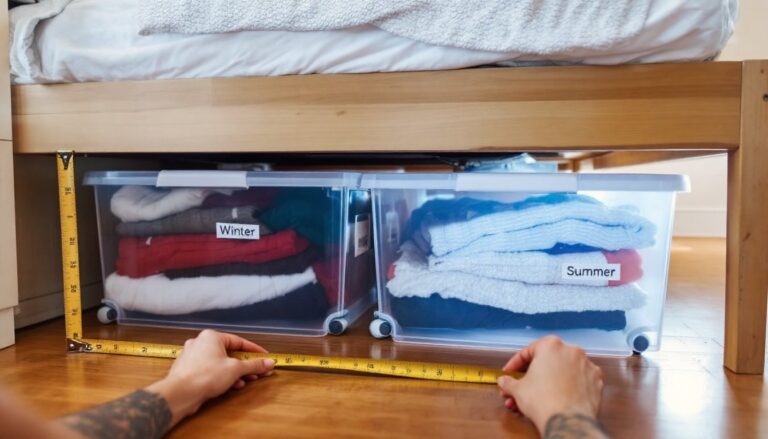
In smaller bedrooms or studio apartments, every square inch counts. A storage bed eliminates the need for a separate dresser, nightstand with shelves, or under-bed rolling bins. You’re not adding furniture: you’re replacing it with smarter sleeping furniture. A typical full size storage bed offers 6–12 cubic feet of storage, enough for two full sets of seasonal bedding, sweaters, extra pillows, or board games. Homeowners working with limited square footage find that a full size storage bed frame can be the difference between a cramped bedroom and one that feels open and functional.
Organization and Accessibility
Drawers on ball-bearing slides glide smoothly and stay open without slamming shut, a real advantage over flimsy under-bed bins that wobble or collapse. Each drawer typically has a weight capacity of 75–150 pounds, depending on the frame’s construction. Labeled drawers or compartments keep seasonal items separated and easy to find. A lifting hydraulic bed lets you access everything at once, which works well if you need to rotate your entire collection, but it takes more effort than rolling out a drawer. Neither approach is “better”: it depends on how often you access stored items and what you’re storing.
Key Features to Look For
When shopping for a full size storage bed frame, prioritize a few critical specs to ensure you get durability and real storage value.
Frame Material and Weight Capacity: Solid wood frames (hardwood or quality pine) support 600–800 pounds total, mattress, person, and stored items combined. Engineered wood frames typically max out at 500–700 pounds. Check the manufacturer’s rated capacity, especially if the bed will hold a mattress, two adults, and heavy storage items. Metal frames, often with reinforced welds, tend to be lightweight and durable: they’re a good choice if you move frequently.
Drawer Slides and Hardware: Ball-bearing slides last longer than friction slides and glide smoothly even when drawers are fully loaded. Look for slides rated for at least 100 pounds per drawer. Hinges on lift-up frames should be heavy-duty with safety catches to prevent the mattress platform from slamming down. Cheap hinges will fail within a year or two.
Drawer Depth and Dimensions: Shallow drawers (4–6 inches) work for socks and underwear: deeper drawers (8–12 inches) hold bulky items like blankets or sweaters. Some storage beds have one deep drawer and two shallow ones, which maximizes flexibility. Measure your bedding or whatever you plan to store before ordering.
Finishing and Aesthetics: A solid wood frame in walnut or cherry finishes a bedroom nicely and ages well. Upholstered frames (with fabric or faux leather) hide dust and add a modern look, but they’re harder to clean. Paint finishes on engineered wood can chip, so check reviews. Real-world builders and designers on Young House Love share honest takes on which frame finishes hold up over time.
Mattress Clearance: Some storage beds have a low profile that limits headroom between the mattress and a hanging shelf or low ceiling. Measure twice before buying, especially in bedrooms with sloped ceilings or lofts.
Installation and Setup Tips for DIY Success
If you’ve ordered a storage bed frame, assembly is usually straightforward but requires patience and a few basic tools.
Before You Start: Clear the bedroom of other furniture and lay a drop cloth or cardboard down to protect the floor, moving a heavy frame across hardwood or laminate without protection risks dents and scratches. Have a cordless drill, an adjustable wrench, and a rubber mallet on hand. Most frames arrive with all necessary bolts, screws, and cam locks: check the parts list against what’s in the box before you begin.
Assembly Basics: Start by laying out the side rails and end frame on the floor. Attach the side rails to the end frame using the bolts or wooden dowels provided (depending on the design). Tighten all fasteners by hand first, then go back with a drill or wrench to snug everything up, but don’t over-tighten wood screws or you’ll strip the grain. Slide the drawer guides into their slots and test that drawers glide freely before moving the entire frame. If a drawer binds, shim the frame with a cardboard shim until it runs smoothly.
Placement: Position the bed where it will stay: moving a fully assembled storage bed is a two-person job and risks damaging drawers. Ensure there’s at least 18 inches of clearance on the foot and side for drawers to open fully. Place a bed slat or plywood platform across the frame to distribute the mattress weight evenly: never place a mattress directly on drawer boxes, it strains the hardware and voids warranties.
Weight Distribution: When storing items, load heavier things (winter coats, books) in drawers closest to the foot of the bed and lighter items toward the head. This keeps weight balanced and prevents the frame from rocking. Check the manufacturer’s weight limit per drawer, don’t exceed it, or slides will wear prematurely. Detailed woodworking and assembly guides appear on Fix This Build That, which covers furniture assembly and troubleshooting.
Maintenance: Wipe down the frame and drawer faces monthly with a soft, slightly damp cloth to prevent dust buildup. Use furniture polish on wood finishes to keep them looking fresh. Check bolts and hardware twice a year (spring and fall) and tighten if they’ve loosened from use. Most quality storage beds last 10–15 years with basic care.
When to Call a Pro: If the frame arrives warped or cracked, if drawer slides fail within warranty, or if you notice structural flex after assembly, contact the manufacturer. Some issues are easier to resolve through a warranty claim than DIY troubleshooting. Also, if you’re installing the bed in a rental or a room with structural concerns (sloped floors, weak subfloors), a quick chat with a carpenter or handyperson can save headaches.
Conclusion
A full size storage bed frame is a smart choice for anyone balancing comfort, style, and functionality in a bedroom. By choosing a frame with quality slides, adequate drawer depth, and solid construction, you’ll invest in a piece that organizes your life while you sleep. Whether you assemble it yourself or hire help, the payoff, reclaimed space and accessible storage, makes it worth the effort. Resources like Instructables offer step-by-step visual guides if you hit snags during setup. With the right frame in place, your bedroom becomes both a retreat and a solution to clutter.