Table of Contents
ToggleA solid wood platform bed with storage is one of the smartest investments a homeowner can make for the bedroom. It combines the clean lines and durability of solid wood with functional under-bed storage that solves the clutter problem most bedrooms face. Whether you’re renovating a small apartment or upgrading a master suite, a platform bed with storage maximizes floor space while delivering the structural support and aesthetic appeal that lasts for years. This guide walks through what makes these beds worth the investment, how to choose the right one, and how to style your entire bedroom around this centerpiece piece of furniture.
Key Takeaways
- A solid wood platform bed with storage eliminates the need for a box spring, saves money upfront, and provides functional under-bed drawers that solve bedroom clutter without sacrificing floor space.
- Hardwoods like white oak and walnut resist moisture and damage far better than softwoods, and quality joinery combined with proper finish enables wood to move naturally with seasonal humidity changes—maintaining stable conditions of 30–50% relative humidity prevents warping and gaps.
- Storage drawer quality is critical: look for hardwood drawer boxes with full-extension ball-bearing slides rated for at least 75 pounds, and always use moisture barriers or waterproof mats to protect stored items from humid floors.
- A solid wood platform bed becomes your bedroom’s visual anchor, so pair it with low-profile tailored bedding, matching nightstands, and neutral wall colors that highlight the wood grain for a cohesive, restful aesthetic.
- Monthly dusting, annual drawer lubrication, and prompt touch-ups of nicks or scratches with matching stain keep a solid wood platform bed looking new and functioning smoothly for 15+ years or longer.
- Position your bed away from radiators, direct sunlight, and exterior walls to prevent uneven expansion and finish fading, and maintain a stable bedroom temperature between 65–75°F to ensure your investment becomes a lasting family heirloom.
Why Solid Wood Platform Beds with Storage Are a Smart Investment
Platform beds eliminate the need for a box spring, which means you’re saving money upfront and gaining interior space. The low-profile design makes bedrooms feel larger and more open, especially in homes with standard 8-foot ceilings. A solid wood platform bed doesn’t wobble or shift like spring-based frames, and it won’t creak at 2 a.m. when you roll over.
Storage integration transforms what would otherwise be wasted space under the mattress. Those drawers or compartments let you stash seasonal bedding, extra pillows, luggage, or off-season clothing without eating into your closet. The payoff in daily convenience, and resale value, justifies the initial investment. A well-built solid wood platform bed typically outlasts cheaper particleboard alternatives by 15+ years.
Key Features to Look for in a Quality Platform Bed
Wood Types and Durability Considerations
Hardwoods like white oak and walnut resist moisture and denting because of their density. Oak costs less than walnut but is more prone to splintering if edges aren’t properly finished. Maple is extremely hard but also heavy, making assembly trickier.
Softwoods like pine or fir are budget-friendly but require extra care, they dent, scratch, and absorb moisture more readily. If you go the softwood route, expect to refinish or touch up the finish every 5–10 years.
Moisture is the real enemy. Solid wood expands and contracts seasonally, especially in climates with humidity swings. This is why quality joinery and finish matter: they let the wood move slightly without cracking or developing gaps. A bedroom with 30–50% relative humidity keeps solid wood stable. If your bedroom runs damp or humid, consider a hardwood with tight grain structure.
Storage Options and How to Maximize Your Space
Under-Bed Drawers and Hidden Compartments
Drawer quality separates a functional storage bed from a frustrating one. Hardwood drawer boxes with plywood bottoms outlast particleboard cores, which sag under weight. Slide mechanisms matter more than anything, look for full-extension ball-bearing slides rated for at least 75 pounds each.
Hidden compartments work well in platform beds with a headboard or side rails. Some designs include flip-up mattress platforms that expose a cavernous storage cavity underneath, perfect for seasonal items you rarely access. The trade-off: every time you want something from deep storage, you’re lifting a heavy mattress.
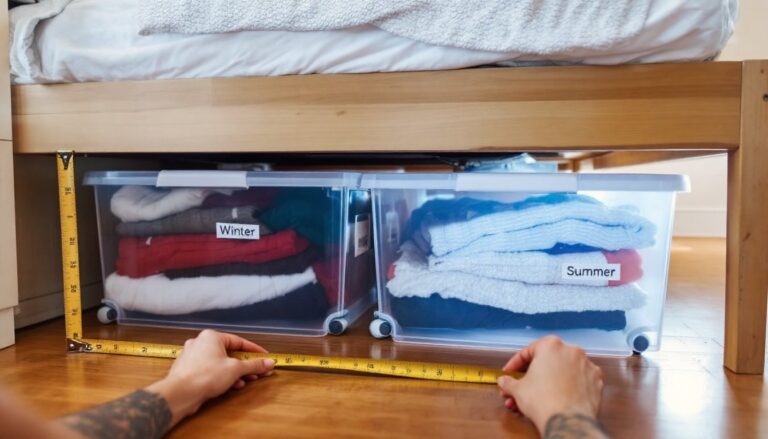
Moisture control in under-bed storage is crucial. Never store anything directly on the drawer bottom without a barrier: moisture from humid floors can damage linens or clothing. Use breathable storage containers or add a waterproof mat. If your bedroom sits above a concrete slab or crawlspace, run a small dehumidifier during humid seasons to keep stored items dry.
Designing Your Bedroom Around a Platform Bed with Storage
A solid wood platform bed becomes the visual anchor of the entire room, so choose a finish that coordinates with existing furniture or flooring. Dark walnut creates a sophisticated, grounded feel in larger bedrooms. Natural oak or light maple works better in smaller spaces or rooms with lots of windows.
Bedding style should complement the bed’s lines. Platform beds look cleanest with low-profile, tailored bedding rather than piled-high pillows or ruffled skirts. Consider a fitted sheet, a duvet or coverlet, and one or two accent pillows. Avoid oversized shams or bed skirts that hide the frame’s clean design.
Nightstands flanking the bed frame the whole setup. Match them in wood type and finish if possible, or go deliberately different for contrast. Wall color behind the bed matters, a soft neutral (greige, warm gray) lets the wood grain be the focal point, while an accent wall in deep blue or forest green emphasizes the headboard.
Storage beds free up closet space, so use that gain intentionally. Declutter aggressively so the under-bed storage actually helps rather than just enabling hoarding. A tidy bedroom with visible storage makes the entire space feel larger and more restful. If your platform bed has open shelving, style those shelves with 3–4 rolled linens or stacked decorative boxes: emptiness reads as unfinished, but overcrowding kills the modern aesthetic.
Maintenance and Care Tips for Long-Lasting Solid Wood
Solid wood requires ongoing maintenance, but it’s straightforward. Dust the frame and drawers monthly with a microfiber cloth, don’t use furniture polish or sprays, which leave residue and gum up drawer slides. A barely damp cloth works for light marks: for stubborn spots, use a 50/50 mix of white vinegar and water, then dry immediately.
Check the finish every 6–12 months. Small nicks or scratches that expose bare wood should be touched up with matching stain or a wood marker to prevent moisture from seeping in. Lacquered finishes can be refreshed locally without refinishing the whole bed, a furniture repair specialist can feather in new lacquer seamlessly.
Drawer slides need annual lubrication. A light spray of silicone-based dry lubricant (not WD-40, which attracts dust) keeps slides gliding smoothly. Wipe away any excess so drawers don’t get sticky.
Seasonal humidity swings are normal. If you notice very minor gaps opening between frame boards in winter, don’t panic, they’ll likely close in summer when wood re-absorbs moisture. Large gaps or warping suggest a finish breakdown or structural issue: that warrants professional inspection.
Place the bed away from radiators, direct sunlight, and exterior walls prone to temperature extremes. Sunlight fades finishes and causes uneven expansion. A bedroom temperature of 65–75°F and humidity of 30–50% keeps solid wood stable for decades. With reasonable care, woodworking project plans show that properly maintained solid wood furniture becomes family heirlooms rather than landfill candidates.