Table of Contents
ToggleKids’ bedrooms seem to accumulate clutter faster than a dust bunny colony, toys, books, clothes, sports gear, and inexplicable plastic treasures pile up overnight. A crowded bedroom doesn’t just look messy: it stresses kids out, makes cleaning a nightmare, and wastes valuable floor space that could be used for play or assignments. The good news is that smart kids bedroom storage doesn’t require a complete renovation or a designer’s budget. By combining under-bed solutions, vertical storage, closet hacks, and dual-purpose furniture, any parent or guardian can reclaim that bedroom without sacrificing style or functionality. Let’s walk through practical, proven strategies that work in real homes, not just magazine spreads.
Key Takeaways
- Assess your child’s room dimensions, ceiling height, and storage needs before purchasing solutions to avoid costly mistakes and wasted space.
- Maximize under-bed storage with rolling bins or full-size storage beds for seasonal items and off-season clothes that don’t require frequent access.
- Install floating shelves and wall-mounted organizers at your child’s eye level to create accessible vertical storage without consuming floor space.
- Use a double hanging rod in the closet to double your hanging capacity and install low shelves so kids can independently access and return their belongings.
- Choose multi-functional furniture like storage ottomans, bench seats with compartments, and beds with integrated drawers to eliminate clutter while maintaining style and functionality.
- Start organizing one zone at a time and let your child live with the new system for a week before evaluating what works for your kids bedroom storage setup.
Assess Your Current Space and Storage Needs
Before buying a single bin or shelf, spend 15 minutes measuring and observing. Grab a tape measure and jot down your room’s dimensions, ceiling height, and identify dead zones, corners, wall space above the dresser, and areas under sloped ceilings all count. Next, audit what’s actually living in your kid’s room right now. Are they a toy collector, a bookworm, an athlete with gear scattered everywhere, or a fashion experimenter with overflowing drawers? Different storage needs call for different solutions.
Take photos of the current layout and identify what’s working (and what isn’t). Maybe the closet is completely inaccessible because everything’s on the top shelf, or the toy corner has become a pile rather than a zone. Walk through the room at your child’s eye level, what can they actually reach and access independently? Storage that’s too high or too cramped won’t get used, no matter how ingenious it looks.
Write down the rough dimensions of available wall space, measure shelf depth and width constraints, and note whether you’re renting (limiting permanent changes) or own (allowing studs and anchors). A five-minute assessment saves hours of wrong purchases.
Under-Bed Storage: The Hidden Space Solution
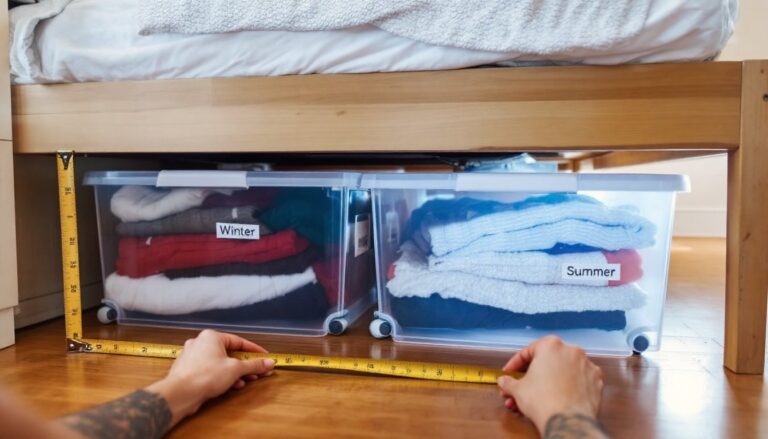
The space beneath a bed is real estate gold, and most kids’ rooms leave it completely empty. If the bed is raised at least 12 to 18 inches off the floor, you’ve got room for rolling bins, flat storage boxes, or a purpose-built frame.
Start with a Full Size Storage Bed if you’re starting fresh, these integrate drawers directly into the bed frame, eliminating the need for separate containers and maximizing every inch. If the bed is already in place, rolling plastic storage containers work best. Clear plastic lets kids see what’s inside without opening every box, reducing frustration. Look for models with locking lids to keep dust and pet hair out.
Organize under-bed storage by category: one container for off-season clothes, another for building blocks or LEGO, a third for craft supplies or sports equipment. Label each container clearly with a permanent marker or printed labels. Avoid overstuffing, if a container won’t slide smoothly, it’s too heavy and won’t actually get used for rotation or cleanup.
Pro tip: Don’t store anything under the bed that needs frequent access. Reserve this space for seasonal items, archived toys the kid has outgrown, or backup supplies like extra bedding or blankets.
Wall-Mounted and Vertical Storage Options
Vertical storage is a DIYer’s best friend in tight spaces, and walls in kids’ rooms rarely max out their potential. Before drilling or mounting anything, check your wall type (drywall, plaster, or solid concrete) and use the right anchors or studs to prevent shelves from crashing down.
Floating Shelves and Wall Units
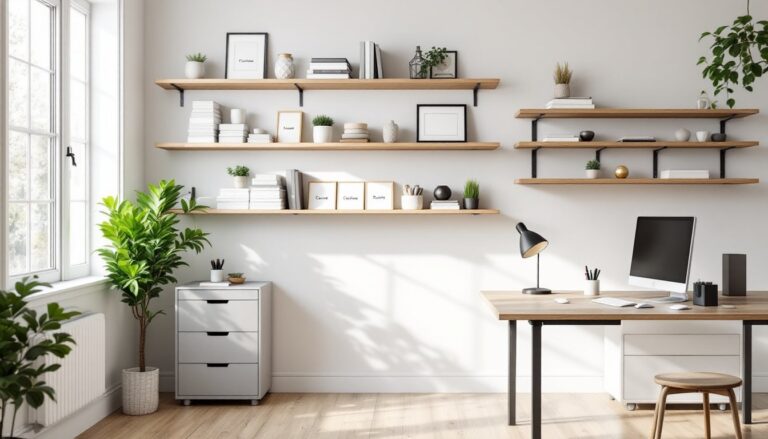
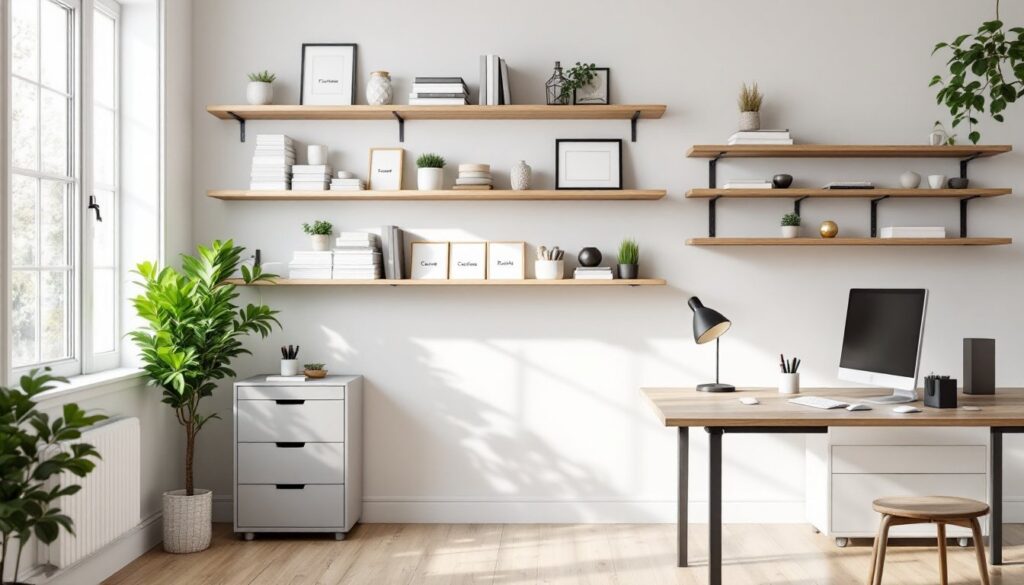
Floating shelves look clean and don’t take up floor space, making them perfect for displaying books, action figures, trophies, or decorative baskets. Install them at eye level for your child, usually 36 to 48 inches off the floor for elementary school kids, slightly higher for teens. Use a stud finder to locate wall studs, then mount shelves with lag bolts or heavy-duty wall anchors rated for at least 25 to 50 pounds per shelf. Most kids’ books and collectibles won’t come close to that weight, so don’t skip this step out of confidence.
Combine shelves with woven baskets or storage boxes on each shelf to corral small items, hair clips, game pieces, school supplies, without the visual chaos. Baskets also make cleanup faster: “put all your art supplies in the purple basket” is easier than “sort through everything on three shelves.”
Consider corner shelving units or wall-mounted organizers with multiple compartments. Tall, narrow units fit snugly against corners and don’t dominate the room’s sight lines. Wall-mounted pegboards also work beautifully for sports gear, hats, or frequently used items, pegs are adjustable, and the system grows as your kid’s interests change.
Free DIY furniture plans and beginner-friendly building guides are available online: Ana White offers downloadable instructions for custom shelving tailored to your exact wall dimensions. Communities like IKEA Hackers showcase specific storage furniture hacks for children’s bedrooms, offering both inspiration and solutions.
Closet Organization Hacks for Kids
A closet without organization is just a dark box that swallows items forever. Kids can’t reach top shelves, hangers are either too high or too cluttered, and folded stacks topple over the moment someone sneezes.
Start with a double hanging rod, this cuts your hanging space in half height-wise and is often the single most impactful closet upgrade. Install one rod at 36 to 42 inches (for shorter hangers with lightweight items like t-shirts) and another at the standard 60 to 65 inches for longer items. This doubles your hanging capacity without any floor-space sacrifice.
Use slim, velvet-coated hangers to save space and prevent items from sliding off. Buy hangers in one color so the closet looks intentional, not chaotic. Install a low shelf or bins on the closet floor for toys, game boxes, or off-season gear, keep this area accessible so your kid can actually grab and return items.
Add adhesive hooks or a small tension rod on the inside of the closet door for belts, accessories, or a hanging shoe organizer. Don’t overlook the back of that door, it’s a hidden storage goldmine. For a Storage Closet overhaul, invest in a slimline pull-out hamper and small bins with labels. Assign each bin a job: clean socks, underwear, pajamas, etc. Your kid knows exactly where things go and can grab what they need without digging through a pile.
Finally, purge twice a year. If clothes don’t fit or haven’t been worn in six months, donate them. An overstuffed closet defeats every organizing hack.
Multi-Functional Furniture With Built-In Storage
Furniture that pulls double duty is non-negotiable in a kids’ bedroom. Storage ottomans, benches with compartments underneath, and bed frames with integrated drawers eliminate the need for separate bins and maximize every square inch.
A storage-equipped toy chest sits at the foot of the bed and doubles as seating for friends: a window seat with lift-top storage is both a cozy reading nook and a hidden archive for games and puzzles. Dresser drawers should be labeled with pictures (not just words) so younger kids can manage their own clothing without hunting through every drawer.
Wall-mounted desks with shelves above combine assignments space with space-saving storage hacks, leaving the floor open for movement. If your kid loves reading, a low bookcase (just tall enough to reach without climbing) against one wall creates a mini library and keeps books off the floor.
When shopping for multi-functional pieces, prioritize adjustability. Kids grow fast, and your storage needs shift yearly. Modular systems, adjustable shelves, and convertible furniture adapt without requiring a complete overhaul. Look for sturdy construction, any piece your kid sits on or leans against needs solid joinery and proper weight ratings, not particle board that sags after six months.
Combine commercial furniture (like IKEA units) with built-in solutions and DIY touches for a personalized look that fits your room and budget. Small space living ideas and home tours often feature creative multi-functional setups worth adapting for your layout.
Conclusion
Smart kids bedroom storage isn’t about perfection, it’s about creating systems your child can actually use and maintain. Start with one zone (closet, under-bed, or walls), carry out one solution, and let your kid live with it for a week before moving to the next area. Real-world feedback beats any Pinterest board. The goal is a room where your kid can find what they need, clean up independently, and have space to play or work without tripping over yesterday’s toys. Once you nail the basics, you’ll wonder why you waited so long to start.