Table of Contents
ToggleA well-organized kitchen starts with the right storage containers. Whether you’re prepping meals for the week, storing leftovers, or keeping dry goods fresh longer, kitchen storage containers are the backbone of an efficient pantry. The right containers protect food quality, save space, and eliminate the frustration of searching through mismatched plastic tubs and mystery containers. This guide walks you through the practical essentials, from airtight seals to smart sizing, so you can choose containers that actually work for your kitchen and lifestyle, not just look good on a shelf.
Key Takeaways
- Quality kitchen storage containers reduce food waste, prevent odors, and protect ingredients from pests and moisture by using airtight seals and gasket-locking mechanisms.
- Invest in a mixed approach with glass containers for long-term dry goods and freezer storage, and food-grade plastic for everyday fridge rotation and frequently refilled items.
- Choose appropriately sized containers—small (1-liter) for spices, medium (2–3 liter) for cereals, and large (4–6 liter) for flour—and measure your pantry space before purchasing a kitchen storage containers set.
- Label all containers with contents, dates, and quantities, then organize by type and frequency of use to maximize efficiency and minimize forgotten leftovers.
- Stack-friendly, uniform container designs with interchangeable lids save money and shelf space while reducing clutter and decision fatigue in your daily kitchen workflow.
Why the Right Storage Containers Matter for Your Kitchen
The difference between grabbing a container and reaching for the right one comes down to function and fit. Proper storage containers keep food fresh longer by sealing out air and moisture, which means less waste and fewer trips to the grocery store. They also create uniform, stackable solutions instead of the cardboard-box-and-plastic-wrap chaos most kitchens end up with.
Beyond freshness, the right containers transform how you actually use your kitchen. When everything is visible and labeled, meal prep becomes faster, pantry audits take minutes instead of hours, and you stop buying duplicates of things you already have hidden in the back. A good kitchen storage container set also prevents odors from spreading (nobody wants fish-flavored flour) and protects food from pantry pests and humidity swings. The upfront investment in quality containers pays dividends in reduced food waste and saved time, something every busy household appreciates.
Types of Kitchen Storage Containers to Consider
Airtight Containers for Dry Goods and Pantry Items
Airtight containers are the workhorse of pantry organization. These containers use gasket seals or snap-lock lids to create an airtight barrier, keeping flour, sugar, cereal, pasta, and baking ingredients fresh and protected from moisture and pests. Look for containers with locking mechanisms that compress the lid firmly, a simple snap is fine, but four-corner locks provide more reliable seals.
Size matters here: you want containers that fit common ingredient quantities without leaving too much air space. A 2-liter container works for pasta: a 3-liter or 4-liter size handles flour or rice better. Stack-friendly designs with flat sides and consistent dimensions maximize pantry shelf space. Craft storage containers share similar sealing principles for non-food items, so the same logic applies, tight seals protect contents from dust and environmental changes.
Glass Versus Plastic: Weighing Your Options
Glass and plastic each have legitimate strengths. Glass containers are durable over years of use, completely transparent so you always see what you have, and immune to staining and odor absorption. They’re heavier (harder on cabinet hinges and safer for lower shelves), can break if dropped, and take longer to cool after washing. Glass is also more expensive upfront, though it lasts longer and doesn’t need replacing every few years.
Plastic containers are lightweight, affordable, and forgiving if dropped. Modern food-grade plastics (BPA-free) are safe for food storage, though some plastics can absorb odors and stain over time with tomato sauce or turmeric. Plastic lids wear out faster than glass ones. The real advantage of plastic is versatility, clear plastic is easy to label, fits smaller spaces, and works well for storing fresh produce and leftovers in the fridge.
Most kitchens benefit from a mixed approach: glass for long-term dry goods and freezer storage, plastic for everyday fridge rotation and items you refill frequently.
Choosing the Right Size and Shape for Your Space
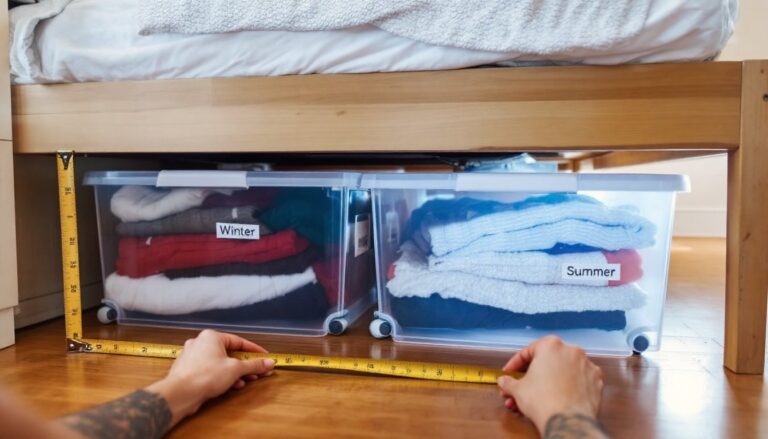
Size and shape directly affect usability. Standard container sizes come in graduated sets: small (1-liter or less) for spices and specialty items, medium (2–3 liter) for cereals and pasta, and large (4–6 liter) for flour and bulk ingredients. Before buying a kitchen storage containers set, measure your actual pantry shelves or cabinet space and account for vertical stacking. A container that fits perfectly today shouldn’t require rearranging everything when you add one more.
Shape also impacts function. Square and rectangular containers pack efficiently and are easier to label. Cylindrical or rounded containers waste corner space on shelves but work well in tight corners or door racks. Nested or stackable designs reduce storage footprint when empty, useful if you live in a smaller home. Consider whether you’ll store containers vertically (stacked lids on top of each other) or horizontally (lids facing outward), as this affects which designs maximize your space.
For frequently used items, sugar, coffee, flour, keep a small daily-use container on the counter while storing the bulk supply in larger containers on pantry shelves. This minimizes reaching for heavy containers and keeps work surfaces uncluttered. Deep, narrow containers suit flour and sugar: shallower, wider containers work better for things you grab by hand or with a scoop.
Organization Hacks for Maximum Kitchen Efficiency
Once you’ve chosen containers, organization habits make the difference between a functional pantry and a pretty display. Label everything, not just the contents but the date you opened or decanted it. A simple label maker or painter’s tape and a black marker work equally well. For baking ingredients, include basic info like expiration dates and quantities: for meal-prep items, note preparation dates.
Group containers by type: baking supplies together, grains in one zone, snacks in another. Use the most accessible shelf space for items you use daily or weekly: reserve higher or lower shelves for seasonal or occasional items. For refrigerated items, clear plastic containers of storage bins for food maximize visibility, you’re less likely to forget about leftovers if you can see them at eye level.
Stackable containers with interchangeable lids save money and reduce clutter. Buy one lid design that works for multiple container sizes, so you’re not juggling mismatched parts. Keep a small inventory of spares for lids that crack or get lost. Vertical dividers in cabinets prevent containers from sliding around and help you see what’s stored in the back without pulling everything forward.
Consider your workflow too. If you meal prep on Sundays, store prepped items in uniform containers at the front of the fridge. If you bake frequently, keep measuring containers and scoops near your baking ingredient zone. Small details like this reduce decision fatigue and make cooking feel smoother. Design experts at The Kitchn emphasize that the best organizational system is one you’ll actually maintain, so keep it simple enough to sustain long-term.
Conclusion
Investing in quality kitchen storage containers isn’t about perfectionism, it’s about functionality, food safety, and reclaiming time and money lost to waste and disorganization. Start with airtight containers for dry goods, add a few glass or plastic options for variety, and size everything to fit your actual pantry space. The payoff is a kitchen that works with you, not against you. Your future self (the one standing in front of the pantry at dinner time) will appreciate the clarity and ease.