Table of Contents
ToggleA cluttered laundry room kills efficiency and makes a necessary chore feel even more tedious. Whether you’re managing a sprawling mudroom or squeezing storage into a compact utility corner, smart laundry room storage ideas can transform the space into a functional hub. The key isn’t buying more, it’s organizing smarter. This guide walks you through vertical solutions, compact furniture, and DIY projects that work whether you’ve got 50 square feet or 500. By the end, you’ll have a concrete plan to maximize every inch and keep supplies where you can actually find them.
Key Takeaways
- Assess your space dimensions, ceiling height, and existing obstructions before implementing any laundry room storage solutions to ensure purchased items actually solve your organizational needs.
- Vertical storage is essential in laundry room storage—wall-mounted shelves, pegboards, and hanging rods maximize usable space without consuming precious floor area.
- Over-the-door organizers, rolling carts, and multi-functional furniture double storage capacity in compact laundry rooms without requiring permanent installation or major renovations.
- Use clear plastic bins, fabric organizers, and labeled containers to keep supplies visible and accessible, with daily-use items stored at arm level and seasonal items placed higher.
- DIY floating shelves and wall-mounted rods are budget-friendly projects that take just hours to complete and can be customized to fit your exact dimensions and weight requirements.
- Test your laundry room storage layout for a week before making permanent installations, and revisit your organization system twice yearly as household needs and seasonal patterns change.
Assess Your Space and Storage Needs
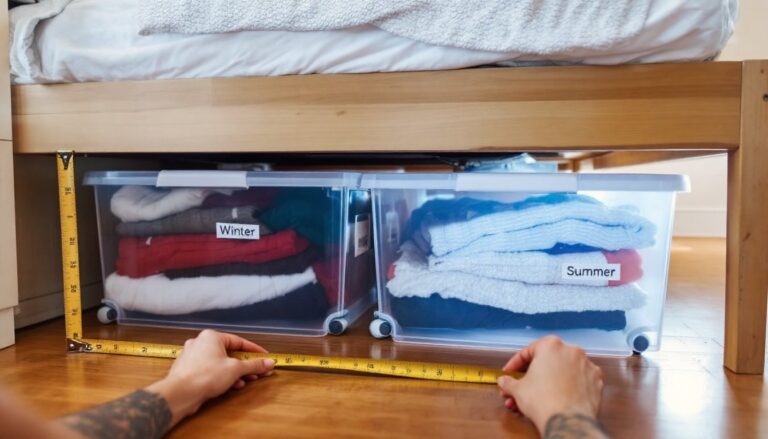
Before you buy a single shelf, measure your room and inventory what actually needs storage. Pull out a tape measure and note wall dimensions, ceiling height, and any obstructions like pipes, outlets, or existing appliances. Check for load-bearing walls if you’re planning heavy shelving, studs typically sit 16 inches on center and won’t flex under weight like drywall alone.
Next, list everything currently scattered around: detergent, fabric softener, stain removers, cleaning supplies, extra linens, iron, hangers, and whatever else lives in your laundry zone. Be honest about volume. A small laundry room storage solution looks entirely different if you’re stashing bottles for a family of six versus a couple. Consider frequency too, things you grab daily should land at arm level: seasonal items can climb higher.
Think vertically from the start. Most laundry rooms have wasted wall space above washer/dryer units and along side walls. A small laundry room storage approach leverages every inch of height before considering floor-eating furniture. This simple assessment phase prevents impulse buys and ensures whatever you install actually solves your problem.
Vertical Storage Solutions
Vertical storage is the non-negotiable foundation of laundry room organization. Going up instead of out doubles usable storage without consuming precious floor space.
Wall-Mounted Shelves and Racks
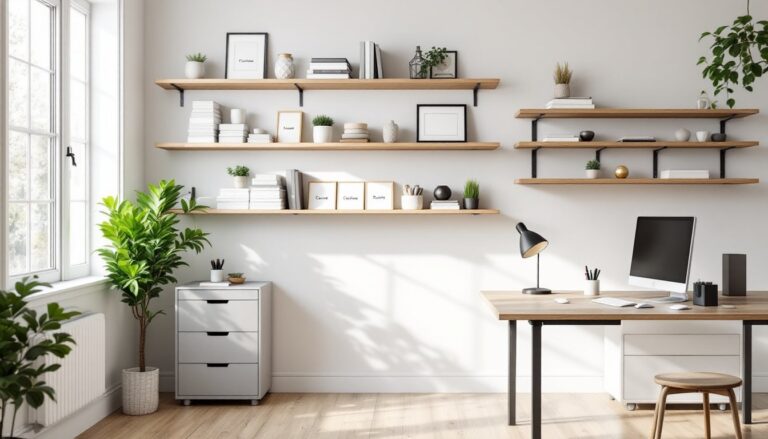
Wall-mounted shelves are the workhorse of laundry room storage. Install adjustable shelves above your washer and dryer, they can hold detergent, softener bottles, and folded supplies at eye level. Use 1×8 or 1×10 lumber for open shelves if you’re building custom: they support 25–50 pounds per shelf depending on stud spacing and bracket quality. Attach brackets to studs using 2½-inch wood screws, drywall anchors alone won’t handle full shelves.
For laundry room storage ideas that don’t require drilling, tension rods mounted between studs create instant hanging space for hanging clothes before they hit the dryer or closet. Metal shelving units (the industrial-style kind from home centers) require no tools beyond a wrench and work well in tight spaces. They’re not pretty, but they’re cheap, sturdy, and adjustable.
Pegboards deliver flexibility. Mount a 4×4-foot pegboard on one wall and hang hooks, baskets, and spray bottle holders. Pegboard works on drywall with anchors rated for at least 15 pounds per hook. Mix hook sizes so you can hang everything from iron cords to detergent caddies.
Over-the-Door Organization
The back of your laundry room door is real estate that costs nothing to use. Over-the-door hooks and racks hold brooms, dustpans, small baskets, and even a drying rod for delicates. Standard hollow-core interior doors support up to 50 pounds with proper hangers.
Fabric organizers with clear pockets hang flat and store lint rollers, dryer sheets, spray bottles, and instruction manuals where they’re visible. Shoe organizers work surprisingly well, each pocket holds miscellaneous supplies without bulk. These solutions require zero installation and move instantly if you rearrange.
Compact Furniture and Multi-Functional Pieces
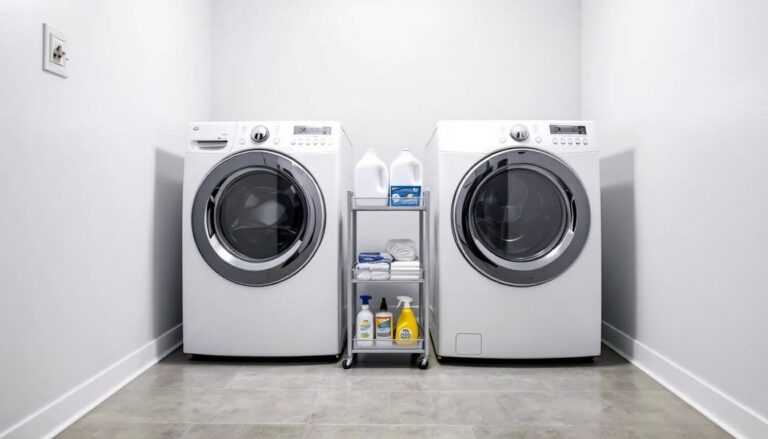
When wall space fills up, smart furniture does double duty. A narrow rolling cart slides between washer and dryer, offering three or four shelves without eating permanent floor space. Rolling carts work especially well in small laundry room storage scenarios because you can tuck them into corners or pull them out when you need access.
Folding tables designed for laundry rooms often include shelving underneath. Height matters, 32 to 36 inches works best for folding without back strain. Some models include wire shelves that let air circulate, which matters if you’re storing damp items temporarily.
Cabinets with lockable doors keep cleaning chemicals away from kids and pets. Ensure any cabinet you choose is rated for wet environments if your washer frequently spills. Humidity corrodes cheap particle board fast. Look for sealed plywood or actual hardwood if the space is humid.
Target Storage Drawers: Transform your space with stackable units that let you customize height. These work well in corners or against empty walls. Stackable designs suit small laundry room storage since you control the footprint, stack higher if your ceiling allows instead of spreading sideways.
Bins, Baskets, and Drawer Organizers
Clear plastic bins let you see what’s inside without opening them, a small win that saves time daily. Label the outside with a permanent marker or label maker. Stack bins to save floor space, but remember that stacking more than three units high becomes unstable and hard to access.
Woven baskets or fabric bins add visual appeal and hide clutter. Size them to standard shelves so they don’t waste horizontal space. Hanging shelf dividers prevent stacks of linens or folded clothes from toppling, and they cost almost nothing.
Drawer organizers matter if your laundry room includes a utility sink or storage vanity with drawers. Compartments keep small bottles, lint rollers, and stain pens sorted. Adjustable dividers let you resize compartments as needs change. The Spruce covers organization methods that keep even the smallest drawers functional.
Laundry-specific containers, like those tall, slender detergent dispensers that hang on hooks, save real space. Instead of standing a gallon jug upright, hang it flat on the wall or inside a cabinet door. This trick alone reclaims several square feet in a cramped room.
DIY Storage Projects You Can Build
Building custom storage costs less than buying pre-made units and lets you fit exact dimensions. A simple floating shelf project takes an afternoon. You’ll need 1×8 or 1×10 boards (pine or poplar), heavy-duty shelf brackets rated for your anticipated load, and a stud finder.
Materials & Tools:
• 1×8 lumber, cut to length
• Shelf brackets (18–24-inch depth typical)
• 2½-inch wood screws
• Stud finder
• Drill/driver
• Level
• Sandpaper
• Primer and paint (optional)
Steps:
- Find studs with a stud finder and mark the center.
- Hold the bracket against the wall at your desired height and mark screw holes.
- Drill pilot holes to prevent splitting, then drive screws into studs.
- Place the shelf on brackets and secure from underneath if brackets allow.
- Sand, prime, and paint if you want a finished look.
A wall-mounted rod for hanging clothes takes 30 minutes. Install a closet rod (typically 1¼-inch diameter) between studs at about 65 inches high using rod flanges and 2½-inch lag bolts. This eliminates the “clean clothes chair” problem instantly. IKEA Hackers shows creative ways to modify stock components into custom solutions without advanced carpentry.
A narrow rolling cart from plywood and casters is another budget project. Build a 12×18-inch base from 3/4-inch plywood, add four 2×4 legs with shelves between them, and bolt on heavy-duty casters underneath. Make the height whatever suits your space, 24, 30, or 36 inches all work. This costs $40–60 in materials and slides out of the way when you need floor space.
Before fastening anything permanent, live with your layout for a week. Move furniture around, use the shelves where you plan them, and adjust based on what actually works.
Final Thoughts: Creating a System That Lasts
The best laundry room storage system matches your habits and space. Start small with bins and shelving, test the setup, then build permanent solutions once you know what works. Focus on accessibility, supplies you use daily shouldn’t require a step stool or moving three things to reach. Add labels, maintain zones (cleaning products here, linens there), and revisit your system twice yearly. What works in summer might need tweaking when seasons shift or your household grows. A thoughtful approach to laundry room storage saves time, money, and frustration every single load.