Table of Contents
ToggleA twin storage bed might sound like a simple piece of furniture, but it’s actually one of the smartest investments a homeowner can make for a cramped bedroom, a guest room, or a child’s space. In 2026, when square footage comes at a premium and storage solutions command real money, a storage bed twin does double duty without eating extra floor space. Whether you’re outfitting a dorm room, a small apartment, or creating breathing room in a kid’s bedroom, a storage bed combines sleeping space with accessible storage, drawers, shelves, or lift-up mechanisms that tuck clutter out of sight. This guide walks through what makes storage beds work, the design options available, and whether building one yourself makes sense for your home.
Key Takeaways
- A storage bed twin adds 45–60 cubic feet of usable storage without taking up extra floor space, making it ideal for small bedrooms, guest rooms, and children’s spaces.
- Storage bed twins come in three main styles: platform beds with side drawers (best for daily access), lift-top beds (ideal for seasonal items), and captain’s beds (maximize vertical storage with minimal floor footprint).
- Building a DIY storage bed twin is an intermediate woodworking project that takes 20–30 hours and requires proper planning, quality materials like 2×10 lumber and full-extension drawer slides, and tools such as a miter saw and Kreg jig.
- Consider access patterns and room dimensions before choosing a storage bed design—side drawers work best for frequent access, while lift-tops suit infrequent use, and ceiling height matters for comfort and functionality.
- A properly constructed storage bed twin safely supports 250–300 pounds of distributed load when built with solid cross-bracing every 16 inches and full-extension drawer slides installed correctly.
What Is A Storage Bed And Why Twin Size Matters
A storage bed is a platform frame with integrated compartments built into the base, typically drawers that roll out or a hinged top that lifts for under-bed access. Unlike a standard frame that leaves a void underneath, a storage bed twin turns that wasted space into functional storage. The twin size (38″ wide × 75″ long) is ideal for kids’ rooms, guest bedrooms, and tight urban apartments where every inch counts.
Twin storage beds come in several configurations. The most common are under-bed drawer units (usually two to four large drawers) and lift-up storage boxes (a single compartment accessed from above). Some designs combine both. For a twin, the drawer depth typically runs 18–24 inches, which is deep enough for bedding, seasonal clothes, or toys but not so deep that items get lost in the back.
Why twin? The smaller footprint keeps room flow open, the weight load is moderate (easier to assemble and move), and the cost per bed is lower than a full or queen. A twin storage bed also grows with your space, if you outgrow the room’s use, the frame can be repurposed or adapted. Building one yourself gives you control over material quality, finish, and drawer depth.
How Storage Beds Maximize Small Bedrooms
The math is simple: a twin storage bed adds roughly 45–60 cubic feet of usable storage without adding furniture. In a bedroom where floor space is precious, that’s the difference between a dresser (or lack of one) and a drawer unit. Psychologically, hidden storage also creates the illusion of a cleaner, less cluttered room, a powerful win for mental clarity and visual comfort.
Small bedrooms often suffer from the “too much furniture” problem. A nightstand, dresser, and closet can make a 10×12 room feel like a hallway. A storage bed twin shifts storage vertical (or rather, horizontal under the floor), freeing wall space for shelves, mirrors, or a small desk. Kids’ rooms especially benefit: toys, sports gear, and off-season clothing all vanish into the bed base, leaving floor space for play or a study area.
A practical example: a kid’s room with a storage bed twin can hold 200+ pounds of items in drawers, eliminating the need for a tall dresser. That open floor space often becomes the difference between a functional room and one that feels cramped. For guest rooms, storage beds let you tuck away linens, pillows, and blankets without a separate closet or cabinet. The trade-off is accessibility, you can’t access the storage with someone sleeping on top, so plan accordingly.
Popular Storage Bed Styles And Designs
Storage bed twins come in several proven styles, each with different access, aesthetics, and build complexity.
Platform Beds with Side Drawers remain the most popular. Two or three deep drawers run along one or both sides, and the bed sits on a low platform. This design is straightforward to build, looks clean, and drawers are easy to access. The downside: side drawers eat into floor space if the room layout is tight.
Captain’s Beds (or captains’ beds) feature shallow shelving and drawers built into the headboard and foot. They’re visually interesting and maximize vertical storage without floor footprint, but the drawers are typically smaller and less convenient for bulky items.
Lift-Top Beds have a hinged top or gas-assisted lid that opens for access to one large storage cavity beneath. These are excellent for blankets, pillows, and seasonal items, and they look minimal. The catch: you need clearance above the bed to open the lid, and the mechanics (hinges, gas struts) add cost.
Under-Bed Drawer Units are separate rolling drawers that slide under a standard bed frame. They’re the most affordable and flexible option, you can add drawers later and swap them out as needs change. But, they don’t integrate as seamlessly as built-in designs.
Under-Bed Drawers Versus Lift-Up Mechanisms
Under-bed drawers (rolling or fixed) excel in daily access and usability. You can grab a sweater without disturbing the mattress, and pulling them partway out is quick. They work best in rooms where you access storage frequently. The drawback is dust accumulation, you’ll need to vacuum underneath or use fabric covers.
Lift-up mechanisms (gas struts or piano hinges) are ideal for infrequent access, think seasonal clothing or extra bedding. They provide maximum volume in a compact footprint and look sleek. The downsides: you can’t access the storage without climbing off the bed or propping open the lid, and damaged gas struts are expensive to replace. A hybrid approach (small access drawers plus a lift-top storage box) combines the best of both.
Choosing The Right Storage Bed For Your Space
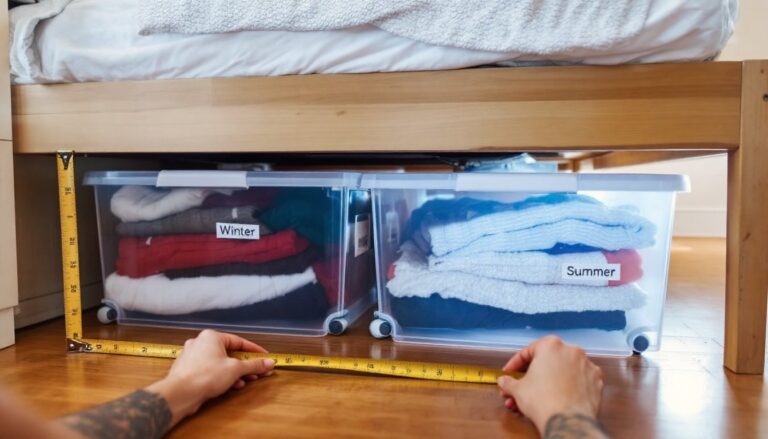
Before buying or building, measure your room and inventory what you’re actually storing. A storage bed twin in a 10×10 room with a low ceiling feels suffocating: the same bed in a 12×14 space with 9-foot ceilings breathes freely. Ceiling height matters: if the bed is 28 inches tall and you have 7-foot ceilings, you’re leaving only 44 inches of headroom, tight for an adult reaching up to open windows or dust shelves.
Consider access patterns. If you swap out winter and summer clothes once a year, a lift-top bed makes sense. If you’re grabbing toys, sports gear, or books daily, side drawers are worth the floor space trade-off. Think about who’s using the bed: kids can pull out rolling drawers easily, but elderly users may struggle with lift-tops.
Material choice affects durability and looks. Solid pine or plywood is affordable and sturdy for a DIY build (nominal 2×10 joists for the base, plywood sides). MDF or particle board saves money but sags under load if undersized. Upholstered storage beds (fabric sides and headboard) cost more but feel softer and hide dust better. Hardwood (oak, walnut) is premium but heavier to move.
Finish is personal but practical. Paint hides grain and shows every fingerprint: stain is forgiving and showcases wood character. Upholstery adds warmth but collects dust. Budget 20–30% extra for finishing if you’re building, primer, paint or stain, and sealant add time and cost. Finally, check mattress compatibility. A standard twin mattress is 38″ × 75″, and most storage beds accommodate it, but verify the frame’s width and length before committing to a design.
DIY Storage Bed Building Tips For Homeowners
Building a twin storage bed is an intermediate woodworking project, manageable for someone comfortable with a miter saw and a drill, but not ideal for an absolute beginner. Most DIY builds take 20–30 hours spread over 2–3 weekends, including prep, cutting, assembly, and finishing.
Planning and Plans
Start with a solid plan. Free resources like Ana White offer beginner-friendly building guides with clear cut lists and step-by-step photos. The Handyman’s Daughter provides DIY furniture building guides for projects like this. Alternatively, sites like Fix This Build That detail woodworking project plans with tool recommendations. Having a plan upfront saves money on wasted lumber and frustration mid-build.
Materials and Tools
A basic twin storage bed requires:
• 2×10 or 2×12 lumber for the frame rails (pressure-treated or untreated, depending on moisture exposure)
• ¾” plywood for the platform and drawer boxes
• 2×4 lumber for cross-bracing and support legs
• Wood glue, pocket-hole screws (2.5″), and finishing screws (1.25″, 1.5″)
• 4–6 full-extension drawer slides (20–24″ for twin depth)
• Handles or knobs for drawers
• Primer, paint or stain, and polyurethane sealer (optional)
Essential tools: miter saw or circular saw, drill/driver, Kreg jig (for pocket holes, game-changer for clean joints), tape measure, square, sander, and clamps. A pocket hole system beats traditional mortise-and-tenon joints for a first-time builder: the joints are strong, hidden, and forgiving of minor dimension errors.
Critical Build Steps
- Cut lumber to exact dimensions using a miter saw. Twin beds require precision, be within 1/8″. A circular saw works, but a miter saw gives straighter, faster cuts.
- Assemble the frame base (long rails and short end pieces) using pocket holes or dowels. Reinforce with 2×4 cross-braces every 16″ to prevent sagging under a 150+ pound load.
- Build drawer boxes from ¾” plywood. Each box should be slightly shorter and narrower than the opening to allow for slide hardware. Pre-drill holes for drawer slides, misalignment causes sticking.
- Install full-extension slides carefully, following the manufacturer’s instructions. Slides must be parallel and level, or drawers will bind or drift.
- Sand all surfaces smooth (start 80-grit, finish 120-grit) before finishing. Rough wood splinters, collects dust, and looks amateurish.
- Apply primer, then paint or stain, followed by a polyurethane top coat. Two coats of finish give durability and a professional look.
Safety and Finishes
Wear safety glasses, dust masks (especially when sanding), and hearing protection when using saws or sanders. Ensure proper dust collection or ventilation, MDF and plywood dust is fine and irritating. Let stain and paint cure fully (24–48 hours) before using the bed.
The Weight Reality
A properly built storage bed twin supports 250–300 pounds of distributed load safely, assuming a solid platform and proper bracing. Don’t skimp on cross-braces or use flimsy 1×4s for the base, this is structural, not decorative. If you’re uncertain about your joinery, test the frame without the mattress or consult a local woodworking class.
Conclusion
A storage bed twin is a practical, durable solution for maximizing bedroom space without sacrificing style or function. Whether you choose a pre-built version or build one yourself, the payoff is real: accessible storage, a cleaner-looking room, and the flexibility to adapt the design to your specific needs. For DIYers, building a storage bed is a rewarding intermediate project that teaches joinery, finishing, and structural thinking. For everyone else, off-the-shelf options deliver the same benefits with zero sawdust. Either way, a twin storage bed earns its place in any small-space bedroom.