Table of Contents
ToggleA twin XL bed frame with storage is a practical solution for anyone facing the eternal DIY dilemma: how to fit a full life into a compact bedroom. Whether you’re furnishing a college dorm, a guest room, or a cramped master bedroom, twin XL bed frames with storage solve two problems at once, they provide a comfortable sleeping surface and tuck away seasonal clothing, bedding, or personal items that’d otherwise clutter your floor. The standard twin XL measures 38 inches wide by 80 inches long, adding five inches of length compared to a standard twin, which makes it surprisingly comfortable for taller sleepers while staying space-efficient. This guide walks you through understanding your options, evaluating storage types, and choosing a frame that actually works for your room and lifestyle.
Key Takeaways
- Twin XL bed frames with storage solve two problems at once by providing a comfortable sleeping surface and reclaiming floor space through integrated storage capacity.
- Under-bed drawers with quality ball-bearing glides are the most practical storage option, offering 40 to 60 gallons of capacity without adding furniture footprint to small rooms.
- Solid wood frames last decades and are repairable, while engineered wood is cheaper and consistent but typically needs replacement within 5 to 7 years.
- Verify weight capacity, joinery quality, and center support before purchasing a twin XL storage bed frame to prevent sagging, squeaking, and drawer misalignment over time.
- Measure your bedroom dimensions and list what you’ll actually store before buying to ensure your chosen frame matches your accessibility needs and storage requirements.
Why Twin XL Bed Frames with Storage Make Sense
Understanding Twin XL Dimensions and Storage Benefits
Twin XL bed frames have exploded in popularity because they solve real problems without demanding premium space. A standard twin mattress is 39 inches wide by 75 inches long, comfortable for kids and slender adults. Twin XL adds five inches of length, making it ideal for anyone over six feet tall who’s tired of dangling feet off the end of a regular twin. The storage integration means your frame does double duty: sleeping platform plus organizational backbone.
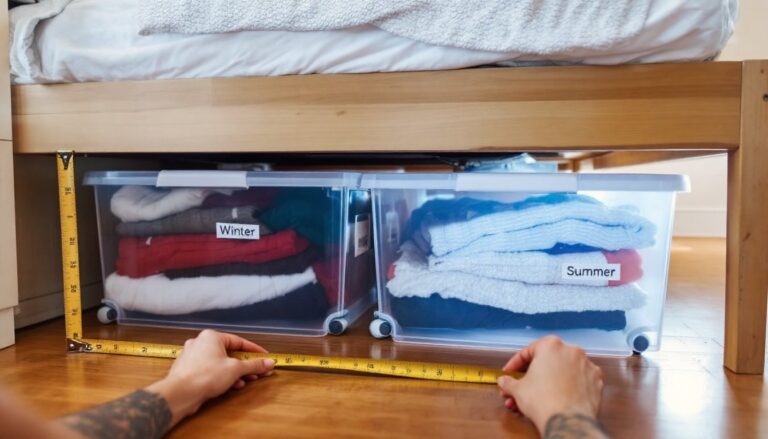
Storage in a bed frame isn’t just convenient, it’s transformative for small rooms. An under-bed drawer system can hold 4 to 6 large storage bins or roughly 40 to 60 gallons of seasonal clothing, bedding, or books. That’s real capacity without adding furniture footprint. For comparison, a standalone dresser takes up 3 to 4 feet of floor space: a storage bed reclaims that area for walking, working, or simply breathing room.
Before you buy, measure your actual bedroom dimensions and consider what you’ll store. Will you use it for off-season sweaters, linens, or school supplies? The answer shapes whether you need shallow drawers (better for flat items) or deeper compartments (ideal for bulky winter coats). Many DIYers skip this step and end up with a frame that looks great but doesn’t hold what they actually need.
Types of Built-In Storage Solutions
Under-Bed Drawers and Lift-Up Storage
Under-bed drawers are the workhorse of bed-frame storage. They typically slide on ball-bearing glides (the hardware that makes them smooth) and sit 8 to 12 inches below the mattress platform. Two-drawer systems are common for twin XL frames: some frames offer four drawers for maximum capacity. Depth varies: shallow drawers (12 to 16 inches) work for sweaters or sheets, while deeper units (20 inches or more) accommodate comforters or out-of-season clothing.
Drawers sound simple, but quality matters. Cheap slides jam after 200 or 300 cycles: solid ball-bearing glides rated for 75-pound loads feel like butter at 5,000 cycles. If you’re building or buying, verify the weight capacity per drawer and check that the frame’s support structure (cross-beams and joinery) can handle the load without sagging over time.
Lift-up storage beds work differently. The mattress platform raises on pneumatic hinges (gas struts) to reveal a large hollow cavity underneath. Capacities range from 15 to 20 cubic feet, think two or three large suitcases’ worth. The trade-off? You can’t access items without removing the mattress, so they’re best for truly seasonal storage (winter boots in July) rather than daily-use items. Gas hinges wear out (usually after 1,000 to 1,500 cycles), so buy frames with replaceable hinges if possible.
Safety note: Lift-up beds require care. If a hinge fails suddenly, the platform drops, which is dangerous for children and pets. Check hinges annually and never let a child play under a raised platform.
Shelving and Open Storage Designs
Some twin XL frames skip enclosed drawers in favor of open shelving or cubbies integrated into the headboard or footboard. These look lighter, feel more modern, and keep frequently-used items visible and accessible. A typical frame might include two or three open cubbies per side, perfect for books, alarm clocks, or small baskets.
Open storage wins on aesthetics but loses on containment. Dust settles on exposed shelves faster, and visual clutter feels chaotic if you’re the type who needs calm in a bedroom. They work beautifully in college dorms where you want quick access to textbooks and minimal under-bed complexity.
Some frames combine both: closed drawers underneath with open shelving above. This hybrid approach balances capacity, accessibility, and dust control. Practical DIYers often add sliding barn doors to open shelving cubbies to gain the best of both worlds, quick access when needed, closable when you want everything hidden. Projects like these inspire builders to explore free DIY furniture plans before committing to a store-bought frame.
How to Choose the Right Twin XL Storage Bed Frame
Material Quality and Durability Considerations
Twin XL storage frames come in three main materials: solid wood, engineered wood (plywood and MDF), and metal. Each has real trade-offs.
Solid wood (pine, oak, or cherry) costs more but lasts decades if cared for. Wood is forgiving to repair, a loose screw, cracked joint, or stain are fixable. Drawers in solid-wood frames glide smoothly because the wood doesn’t swell or warp as much as engineered alternatives. The downside: solid wood is heavy (50 to 100 pounds more than engineered frames), requires careful finishing, and can shift with humidity changes. If you live in a dry climate, wood is rock-solid: in humid regions, it demands more attention.
Engineered wood (plywood with veneer or laminate) is lighter, cheaper, and consistent. Manufacturers mill plywood to tight tolerances, so drawer gaps stay even. The catch: engineered wood can’t be repaired like solid wood, a dent or water damage is permanent. Drawer glides on engineered frames sometimes loosen after 2 to 3 years because the wood fibers don’t hold fasteners as tenaciously as solid wood. Budget frames (under $400) almost always use engineered wood, and they’re fine for temporary setups or light use. For permanent furniture, expect to replace or upgrade in five to seven years.
Metal frames (steel or aluminum) are durable and don’t swell or rot, but they’re less common in storage beds. Metal conducts temperature, so they can feel cold if your room gets chilly. Rust is a concern in damp basements or coastal areas, though powder-coated finishes help.
Evaluate the joinery, how pieces connect. Mortise-and-tenon joints (wood cut into wood) outlast dowel pins. Lag bolts and cross-bracing provide more stability than simple butt joints. Check the warranty: solid-wood frames often come with 5 to 10-year guarantees, while engineered options typically max out at 1 to 3 years.
Weight capacity matters more than you’d think. A frame rated for 400 pounds with a 200-pound sleeper plus a storage drawer holding 150 pounds is near maximum stress. Over time, this causes sagging, squeaking, and drawer misalignment. Frame capacity should exceed your needs by at least 50 pounds to account for the mattress, bedding, and occasional extra weight.
Resources like The Handyman’s Daughter break down DIY bed-building fundamentals, while Fix This Build That offers detailed construction plans if you’re considering a custom build. Many DIYers find that buying a full size storage bed frame as reference material helps them understand quality cues before choosing or building a twin XL equivalent.
Assembly and support: Verify how drawers attach to the frame. Frames where drawers bolt directly to side rails flex less than frames where drawers hang from a separate internal support system. Test drawer stability by pushing down on a fully extended drawer, minimal movement is good. Also check that the mattress platform includes center support (a third leg or cross-beam under the middle), not just perimeter support, to prevent mattress sag over time.
Making Your Twin XL Storage Bed Work Long-Term
Choosing a twin XL bed frame with storage comes down to honest assessment of what you actually need, not what looks impressive. Measure your bedroom, list what you’ll store, and decide whether you prioritize ease of access or maximum hidden capacity. Solid wood costs more upfront but rewards patient care: engineered wood is budget-friendly but expects replacement sooner. Test drawer action in person, verify weight ratings, and don’t skip the assembly instructions, most frame failures stem from skipped steps or overtightened fasteners that crack wood.
A well-chosen twin XL storage frame transforms a cramped room into a functional, organized space. Get it right, and you’ve built or bought a piece of furniture that earns its weight daily for a decade or more.